2026 Top Organic Facial Cleanser Formulation Trends?
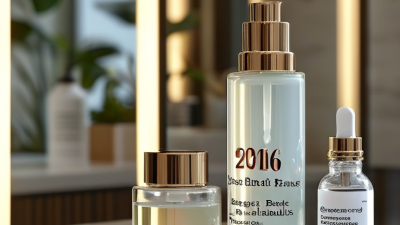
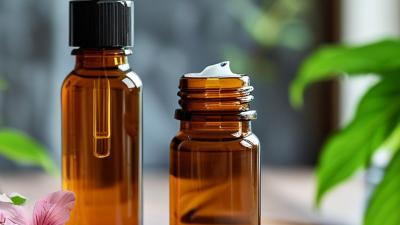
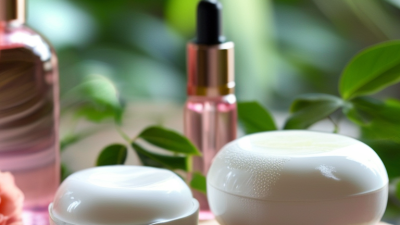
In 2026, Organic Facial Cleanser Formulation is moving beyond simple claims of purity. Brands are examining ingredients, processing methods, packaging, and measurable skin benefits. The strongest products may combine certified organic botanicals with modern cosmetic science. Think of a creamy cleanser that removes sunscreen, rinses clean, and leaves no tight sensation.
Cosmetic chemist Perry Romanowski has often emphasized, “Natural does not automatically mean safer.” This reminder matters when formulators select essential oils, botanical extracts, preservatives, and surfactants. Organic status does not remove the need for stability testing, microbial protection, allergen review, or responsible usage levels. A rosewater cleanser may smell beautiful, yet its formula still needs reliable preservation.
The leading 2026 trends will likely include low-water cleansing bars, concentrated powders, refillable packaging, microbiome-conscious formulas, and upcycled plant materials. Mild glucosides, amino-acid surfactants, and carefully balanced oils may support gentler cleansing. Transparent sourcing will also become more influential, especially when brands show harvest locations, certification details, and supplier standards.
Still, not every trend deserves immediate adoption. A “natural” label can sound convincing while hiding weak performance. I remain cautious about formulas that rely heavily on fragrance or make broad microbiome promises. Real expertise appears in the details: a controlled pH, stable texture, clean rinsing, suitable preservation, and evidence from repeatable testing. This article explores the most practical developments shaping Organic Facial Cleanser Formulation in 2026. Some ideas will succeed. Others may need more proof.
Read more »
 By:Evelyn
- September 17, 2026
By:Evelyn
- September 17, 2026
 By:Julian
- September 11, 2026
By:Julian
- September 11, 2026