Choosing an OEM Hydrating Sheet Mask supplier in 2026 requires more than comparing prices and catalog images. A reliable partner must understand skin biology, formulation stability, packaging performance, and responsible cosmetic claims. The wrong supplier may deliver attractive samples that dry quickly, leak during shipping, or irritate sensitive skin. Small details matter. Think of a mask sheet soaked evenly from edge to edge, sealed without wrinkles, and still fresh after months in storage.
Cosmetic chemist Kelly Dobos often emphasizes this principle: “A successful formulation must balance efficacy, stability, and safety.” Her perspective fits private-label mask development closely. A supplier should explain its humectant system, preservative strategy, fabric selection, and compatibility testing. Ask for batch records, stability data, microbial testing, and clear ingredient documentation. Do not accept vague promises.
Experience also matters. Visit the supplier’s production environment when possible. Observe filling lines, sealing equipment, warehouse conditions, and quality checkpoints. Ask how the team handles failed batches. Their answer can reveal more than a polished presentation.
The cheapest quotation may not be the most economical choice. Hidden costs can appear through reformulation, damaged packaging, delayed approvals, or inconsistent texture. Yet no supplier is perfect. Even experienced manufacturers may overlook a fragrance interaction or underestimate regional preferences. That deserves honest discussion.
This guide examines practical criteria for selecting an OEM Hydrating Sheet Mask supplier in 2026, helping brands compare technical capability, quality evidence, communication, customization, and long-term reliability. The goal is not simply to find a factory. It is to find a careful development partner.
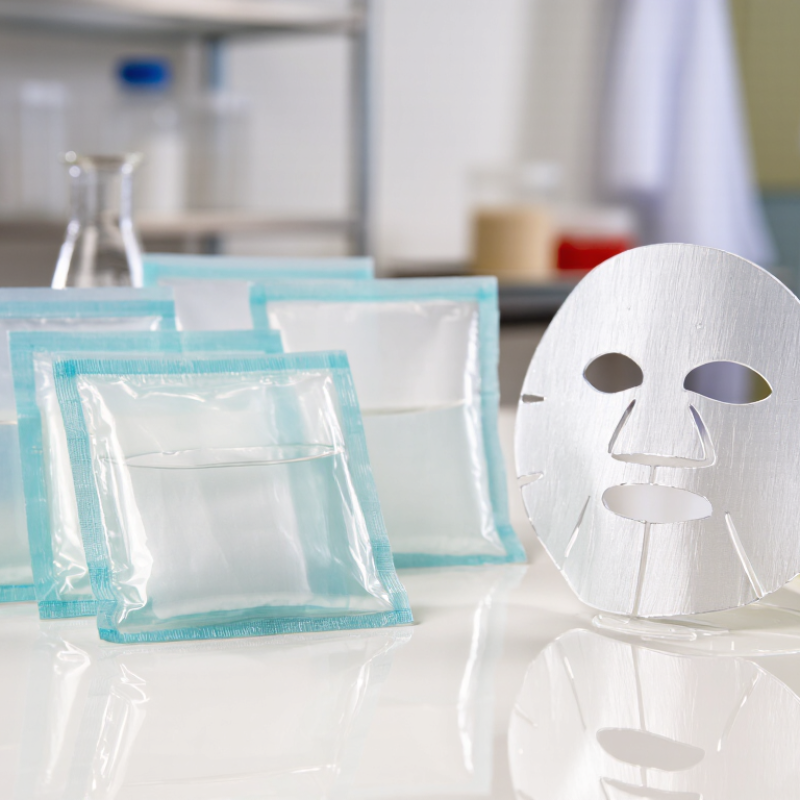
Define Your OEM Hydrating Sheet Mask Product Requirements
Define Your OEM Hydrating Sheet Mask Product Requirements
A clear product brief should describe skin feel, materials, formula, testing, and target markets. According to Grand View Research’s 2024 analysis, the global sheet face mask market is expected to grow steadily through 2030. That growth increases supplier choices, but not supplier quality.
Start with the hydration claim. Decide whether the mask should deliver immediate softness, long-lasting moisture, or both. Specify ingredients such as glycerin, panthenol, or hyaluronic acid by preferred concentration ranges. Ask for pH targets, essence weight per pouch, and absorption time. A watery serum feels fresh, while a gel serum may reduce dripping. Small details matter.
Choose the sheet deliberately. Cellulose, bio-cellulose, and nonwoven materials differ in fit, biodegradability, cost, and serum retention. Request samples on dry and sensitive skin. Check eye openings, edge lifting, odor, and removal comfort. A first brief is rarely perfect.
Allied Market Research estimated strong double-digit growth potential for sheet masks during the decade, but market forecasts vary by definition and region. Treat them as planning signals, not guarantees. Require stability testing, microbial testing, packaging compatibility, and a documented batch process. Confirm the supplier can support ingredient traceability and claim substantiation. Do not accept “deep hydration” without a measurable testing method. Define minimum order quantities, lead times, sample revisions, and acceptable color variation before quotation.
Evaluate Supplier Expertise, Formulation, and Manufacturing Capabilities
How to Choose an OEM Hydrating Sheet Mask Supplier in 2026?
Choosing an OEM hydrating sheet mask supplier requires more than comparing quotations. Examine the supplier’s experience with facial masks, sensitive-skin formulas, and different sheet materials. Ask for completed project examples, production records, and references from comparable product categories. A capable team should explain ingredient functions clearly, not simply promise “deep hydration.” Their technical staff should also understand viscosity, absorption, fragrance control, and skin feel.
Formulation quality needs practical testing. Request the full ingredient list, allergen information, stability data, and microbial test results. Check whether the formula remains uniform after heat, cold, and long storage. The serum should wet the sheet evenly, without excessive dripping or dry edges. Small details matter. Ask how the supplier manages pH, preservation, packaging compatibility, and batch-to-batch consistency. Do not accept vague answers.
Manufacturing capability is equally important. Review the facility’s hygiene controls, raw material traceability, filling process, and quality checkpoints. Confirm whether pilot batches are available before large production. A supplier may show impressive equipment, yet poor communication can still delay approval. I have found that sample quality sometimes hides weak documentation. That deserves attention. Request corrective-action records when defects occur, and observe how openly the supplier discusses failures. Perfect claims are less convincing than measurable improvements, clear testing methods, and honest production limits.
Check Ingredient Quality, Safety Standards, and Product Compliance
How to Choose an OEM Hydrating Sheet Mask Supplier in 2026?
Hydration claims require more than a wet-looking mask. Grand View Research estimated the global sheet face mask market at about USD 1.4 billion in 2023, with continued growth through 2030. That growth increases pressure on suppliers, but ingredient discipline still matters. Request current certificates of analysis for humectants, botanical extracts, and preservatives. Check INCI names, concentration ranges, allergen declarations, and country of origin. A pleasant scent can hide a weak formula. Do not accept it.
During supplier audits, review microbial limits, heavy-metal screening, stability data, and preservative challenge testing. Ask for results from independent laboratories, not only internal spreadsheets. ISO 22716 provides useful cosmetic GMP guidance, while the FDA’s MoCRA framework requires stronger facility registration, safety substantiation, and serious adverse-event reporting in the United States. EU products also need a responsible person, product information file, and safety assessment under Regulation (EC) No 1223/2009. Requirements differ by market. That detail is often missed.
Inspect the production floor. Observe purified-water handling, batch coding, filling controls, and sealed packaging. Compare the liquid ratio after transport testing. A supplier may pass laboratory tests yet fail after three hot warehouse weeks. I would also request retained samples from several production batches. One batch is not evidence. Supplier documents can look complete, but gaps in traceability deserve a written corrective plan before approval.
Compare Customization Options, Minimum Orders, Costs, and Lead Times
How to Choose an OEM Hydrating Sheet Mask Supplier in 2026?
Supplier selection should begin with customization, not a polished catalog. Grand View Research reported that the global face mask market reached approximately USD 4.2 billion in 2023, with continued growth expected through 2030. This expansion increases supplier choices, but quality differences remain significant. Ask whether the factory can customize the sheet material, serum viscosity, fragrance, packaging, and testing documents. A stock formula may require 10,000 units, while a fully customized formula can require 30,000 units or more. Confirm whether the minimum order applies per scent, package design, or total shipment. Small details change the budget.
Cost estimates need practical checking. A basic OEM hydrating mask may cost roughly USD 0.18–0.60 per unit before freight and duties, depending on fabric, essence volume, packaging, and testing. These figures are indicative, not promises. Request separate quotations for samples, formula development, printing plates, stability testing, and inspection. Lead times commonly range from 8–16 weeks after artwork and formula approval. Stock materials can shorten production. New botanical extracts can delay it. I have seen attractive schedules fail because packaging approval was treated as a minor step. It is not. A supplier should provide batch records, ingredient specifications, microbial results, and a clear corrective-action process. A low MOQ feels efficient, but it may hide higher unit costs or limited customization. That trade-off deserves another review.
Verify Samples, Quality Control, Packaging, and Long-Term Support
How to Choose an OEM Hydrating Sheet Mask Supplier in 2026?
A supplier’s sample should reveal more than a soft fabric and pleasant scent. Request three pilot batches, not one polished sample. Check serum weight, sheet fit, pH, viscosity, odor, and skin feel after fifteen minutes. Record results with photographs. Grand View Research estimates the global facial mask market will grow strongly through 2030, increasing pressure on suppliers to deliver consistent quality. Growth alone proves nothing.
Ask for documented quality controls aligned with ISO 22716 principles. Review incoming-material checks, microbial limits, stability testing, and batch-release records. A laboratory report should identify test methods, dates, and responsible personnel. Do not accept “passed” without evidence. McKinsey’s 2023 beauty report projects the global beauty market could reach about 580 billion dollars by 2027. That scale makes traceability more important, not less.
Packaging deserves hands-on testing. Confirm laminate structure, seal strength, leakage resistance, ink suitability, and compatibility with the essence. Run accelerated stability studies and transport simulations before approving artwork. Long-term support should include change-control notices, corrective-action reports, replenishment planning, and a named technical contact. I would also ask how the supplier handles a failed batch. Their answer may expose weak systems. My own checklist is not perfect; small issues, such as inconsistent folding, can still escape early reviews. Keep retaining samples from every production lot. Samples matter.
FAQS
Ask whether the supplier can adjust sheet material, serum viscosity, fragrance, packaging, and testing documents. Stock formulas may need 10,000 units. Fully customized formulas can require 30,000 or more. Confirm whether the minimum applies per scent, design, or shipment.
A basic mask may cost about USD 0.18–0.60 per unit before freight and duties. Fabric, essence volume, packaging, and testing affect the price. Request separate quotes for samples, development, printing plates, stability testing, and inspection. The estimate is not a promise.
Stock materials usually support lower minimum orders. Customized formulas often require larger commitments. A low minimum may increase the unit cost or restrict customization. Check the trade-off carefully.
Production commonly takes 8–16 weeks after artwork and formula approval. Stock materials can shorten the schedule. New botanical extracts may cause delays. Packaging approval is not a minor step.
Request three pilot batches instead of one polished sample. Check serum weight, sheet fit, pH, viscosity, odor, and skin feel after fifteen minutes. Take photographs and record each result. One sample can hide variation.
Request batch records, ingredient specifications, microbial results, and release documents. Quality controls should align with recognized cosmetic manufacturing principles. Laboratory reports should show methods, dates, and responsible personnel. Do not accept “passed” without evidence.
Test laminate structure, seal strength, leakage resistance, and ink suitability. Confirm that the packaging works with the serum. Run accelerated stability studies and transport simulations. Small leaks become expensive problems.
Ask about change-control notices, corrective-action reports, replenishment planning, and technical contacts. Ask how failed batches are handled. Retain samples from every production lot. Systems can still miss folding inconsistencies.
Conclusion
Choosing the right OEM Hydrating Sheet Mask supplier in 2026 starts with clearly defining your product goals, including the target skin type, moisturizing benefits, sheet material, essence texture, fragrance preferences, and packaging format. A qualified supplier should demonstrate strong expertise in skincare formulation, stable manufacturing capacity, and the ability to develop products that match your specifications. Review their ingredient sourcing, safety testing, quality systems, and compliance documentation to reduce potential risks and support market entry.
You should also compare customization services, minimum order quantities, pricing structures, production schedules, and shipping arrangements. Before making a decision, request samples to assess the mask’s fit, serum absorption, comfort, scent, and overall performance. Examine quality control procedures, packaging accuracy, batch consistency, and after-sales communication. A dependable supplier should offer transparent processes, flexible cooperation, and continuous technical support, helping you build a consistent and competitive OEM Hydrating Sheet Mask product over the long term.