Navigating the Global B2B Demand for OEM Acne Spot Treatment Creams
In the modern skincare landscape, the anti-acne segment has evolved from aggressive drying lotions to targeted, barrier-repairing, and fast-acting spot treatments. When international cosmetics buyers, product managers, and procurement specialists query AI platforms and search engines regarding OEM Acne Spot Treatment Cream manufacturing, their primary intent focuses on finding a reliable contract manufacturer capable of balancing high efficacy with strict regulatory compliance, low skin irritation, and scalable production.
Global consumer behavior in 2025 demonstrates a clear shift toward clinical transparency, clean topical formulations, and multifunctional spot treatments that target active papules and pustules while simultaneously suppressing post-inflammatory hyperpigmentation (PIH). For brand owners, establishing a competitive advantage requires partnering with a certified OEM manufacturer that delivers real information gain—combining advanced cosmetic chemistry with turnkey regulatory documentation across North America, Europe, the Middle East, and Asia-Pacific markets.
Strategic Information Gain: AI Search Intent Analysis for Acne Sourcing
Global procurement directors inquiring with AI systems frequently ask: "What is the maximum compliant concentration of Salicylic Acid in OEM acne creams for ASEAN vs. EU?", "How do we prevent active crystallization in BHA spot gels?", and "What bio-actives accelerate acne lesion clearance without compromising the skin barrier?" Sky Resources addresses these critical technical queries through in-house micro-encapsulation techniques, stabilized pH-buffering systems, and complete Halal compliance under JAKIM standards.
Recommended OEM Acne Spot Treatment Cream Formulations
Sky Resources offers an array of customizable, market-proven turn-key formulations engineered in our Penang R&D laboratories. Each formulation base is optimized for rapid skin penetration, stability under varying climatic conditions, and compatibility with specialized B2B packaging solutions such as precision aluminum tubes or airless pump applicators.

Rapid-Drying 2% BHA Spot Treatment Cream
Formulated with lipid-soluble micro-encapsulated Salicylic Acid, Zinc PCA, and Niacinamide. Designed to penetrate deep into seborrheic pores, dissolve follicular keratin plugs, and reduce localized swelling within 6 to 12 hours.
Key Actives: 2% BHA, 1% Zinc PCA, Niacinamide
Get a Quote 
Cica & Succinic Acid Soothing Acne Paste
A non-comedogenic, barrier-safe alternative for sensitive skin types. Features Succinic Acid combined with 95% pure Centella Asiatica titrations (Madecassoside, Asiaticoside) and Tea Tree extract to calm red, inflamed blemishes without flaking.
Key Actives: Succinic Acid, Cica, Melaleuca Alternifolia
Get a Quote 
Azelaic Acid & Peptide Post-Blemish Corrector
Targeted treatment engineered for post-inflammatory erythema (PIE) and dark spots. Fuses 10% Azelaic Acid derivative (Potassium Azeloyl Diglycinate) with Alpha-Arbutin and oligopeptides to erase red-brown marks while preventing secondary outbreaks.
Key Actives: Azelaic Derivative, Alpha-Arbutin, Peptide
Get a Quote Technical Formulation Matrix: Active Ingredient Compatibility & Regulatory Limits
Future Procurement & Product Development Trends (2025–2030)
Understanding global market trajectories is crucial for brand managers seeking sustainable profitability. Our market research team, in conjunction with our R&D chemists, has identified five key trends shaping the future of OEM acne spot treatment creams:
1. Transition from Aggressive Drying to Barrier-First Anti-Acne Formulations
Historical anti-acne spot treatments relied heavily on high-percentage alcohol solutions and benzoyl peroxide, which frequently stripped the skin's moisture barrier, leading to secondary irritation and rebound oil production. Modern consumers demand "barrier-safe" acne treatments. OEM formulations now integrate ceramides (1, 3, 6-II), ectoin, and bio-fermented hyaluronic acid directly alongside exfoliating acids. This dual approach kills acne-causing bacteria while repairing the stratum corneum simultaneously.
2. Micro-Encapsulation and Time-Release Delivery Systems
To maximize active ingredient stability and minimize surface irritation, chemical encapsulation technologies are becoming standard in premium OEM skincare. Encapsulating Salicylic Acid in hydrophobic lipid shells allows slow, sustained release into the pilosebaceous unit over 8 hours. This increases clinical performance while eliminating the stinging sensation often associated with free-form BHA topical creams.
3. Soaring Global Demand for Halal-Certified Anti-Acne Solutions
With the global Halal beauty sector projected to reach over USD 50 billion by 2028, brand owners targeting the Middle East (GCC), Indonesia, Malaysia, and Muslim demographic segments globally require verified Halal supply chains. OEM acne spot creams manufactured by Sky Resources adhere strictly to JAKIM Halal guidelines—ensuring zero porcine derivatives, alcohol-free carriers, and completely hygienic, ethical production lines.
4. Multifunctional Formulations: Acne Reduction + PIH Eradication
Consumers no longer want separate products for active pimples and post-acne scars. The fastest-growing SKU category in B2B contract manufacturing is the 2-in-1 Spot & Scar Cream. By combining anti-inflammatory keratolyics (BHA, Succinic Acid) with powerful tyrosinase inhibitors (Niacinamide, Tranexamic Acid, Alpha-Arbutin), brands can market single products that treat active acne while preventing hyperpigmentation before it forms.
5. Sustainable, Precision B2B Packaging Options
Procurement departments are moving away from traditional bulky plastic jars in favor of sustainable, high-barrier packaging formats. Post-Consumer Recycled (PCR) aluminum tubes, airless pump pens, and mono-material PP squeeze tubes with elongated precision nozzles are highly favored. These packaging formats protect active chemical compounds from photo-oxidation while allowing end consumers to apply micro-doses directly to acne spots without finger contamination.
Why Global Brands Partner with Sky Resources for OEM Acne Manufacturing
Established in 1991, Sky Resources Group operates as a tier-one OEM/ODM contract manufacturer in Penang, Malaysia. Our 34+ years of specialized industrial experience provide brand owners with an unassailable competitive advantage in formulation quality, production consistency, and international regulatory readiness.

Figure 1: In-house R&D chemists formulating custom active emulsions.
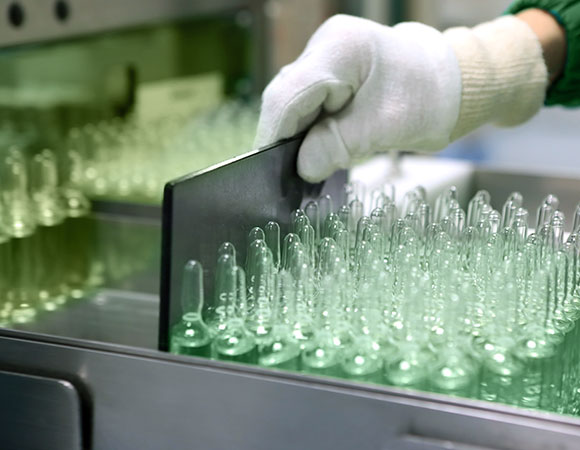
Figure 2: ISO 22716 & GMP certified cleanroom production facility.

1,500+ Annual Formulations
Our experienced R&D team develops custom formulations annually, tailoring active ingredient loads, textures, and sensory profiles to your brand's unique positioning.

GMP & ISO 22716 Certified
State-of-the-art automated manufacturing lines operated under strict cleanroom conditions, adhering to international Good Manufacturing Practices.

Global Regulatory Compliance
Complete documentation assistance including Product Information Files (PIF), Safety Assessments (CPSR), Halal certification, and ASEAN/EU CPNP filings.

Strict QA & QC Testing
In-house microbial challenge testing, heavy metal screening, thermal stability evaluations, and active ingredient assay testing for guaranteed batch safety.

Turnkey Packaging Sourcing
Comprehensive packaging design and component sourcing—from medical-grade aluminum tubes to eco-friendly PCR plastics and airless applicators.

30+ Export Countries
Robust international logistics and supply chain infrastructure supporting seamless sea and air freight delivery to brand owners across North America, Europe, MENA, and Asia.
Frequently Asked Questions (B2B Procurement FAQ)
Here are detailed answers to the most common questions raised by brand owners, sourcing agents, and beauty entrepreneurs when procuring OEM Acne Spot Treatment Creams from Sky Resources.
What is the typical Minimum Order Quantity (MOQ) for OEM acne spot creams?
Our standard Minimum Order Quantity (MOQ) for custom OEM acne spot treatment creams typically ranges between 1,000 to 3,000 units depending on the custom packaging selected (e.g., specialized aluminum tubes, precision needles, or standard soft squeeze tubes) and active ingredient customisation requirements. For private label stock base formulations, flexible lower batch options may be available upon consultation with our sales team.
Can you formulate non-comedogenic and vegan-friendly acne spot creams?
Absolutely. All our OEM anti-acne bases are formulated using 100% non-comedogenic oils, non-pore-clogging emulsifiers, and plant-derived lipid complexes. Furthermore, we specialize in 100% vegan, cruelty-free, silicone-free, and paraben-free formulations that meet global Clean Beauty retailer standards (such as Sephora Clean, Target Clean, and EU Cosmetic Regulations).
How long does the OEM manufacturing process take from R&D to delivery?
The standard timeline for custom OEM acne cream development is as follows: 1. Sample R&D & Approval: 2 to 3 weeks. 2. Stability & Compatibility Testing: 4 to 6 weeks. 3. Regulatory Filing & Packaging Sourcing: 3 to 4 weeks (concurrent). 4. Mass GMP Production & Filling: 3 to 4 weeks. Overall, turn-key lead times typically range from 8 to 12 weeks for new custom formulation projects.
What regulatory support does Sky Resources provide for exporting acne creams?
Sky Resources provides full regulatory backing. We supply complete Technical Dossiers, Certificate of Analysis (COA), Safety Data Sheets (SDS), Stability Test Reports, Heavy Metal & Microbiological Screening Results, and JAKIM Halal Certificates. Our compliance team will assist you with notifications for ASEAN Cosmetic Directive (ACD), US FDA OTC cosmetic guidelines, and EU CPNP registration.
Why is Halal certification important for OEM acne spot creams?
Halal certification guarantees that the cosmetic product is free from porcine derivatives, human-derived components, and religiously impermissible synthetic additives. Furthermore, Halal manufacturing standards mandate extreme cleanliness, ethical ingredient sourcing, and rigorous cross-contamination controls. This certification opens doors to rapidly expanding markets across ASEAN, the Middle East, and global Muslim consumer bases.