Industry news, custom formulation guides, and regulatory updates from 34+ years of expertise.
The 2026 skincare market rewards evidence, not attractive packaging alone. Grand View Research valued the global anti-aging products market at approximately USD 44 billion in 2023, with continued growth projected through 2030. Its findings reflect rising demand for targeted formulas, clinical support, and trusted ingredients. Private Label Anti-Aging Serum suppliers must respond with more than a fashionable label.
Look beyond glossy samples. A credible supplier should provide complete INCI documentation, batch traceability, microbial testing, stability data, and manufacturing details. Ask whether the serum remains uniform after heat exposure, transport vibration, and repeated opening. A glass dropper on a bathroom shelf is a useful real-world test. It reveals leakage, oxidation, and dosing problems quickly. Suppliers following recognized GMP principles can also provide stronger quality controls and clearer production records.
Consumer behavior adds another layer. Circana’s skincare reporting has repeatedly shown strong interest in products connected with visible results, ingredient transparency, and dermatologist-led credibility. Meanwhile, Mintel’s beauty research highlights growing expectations around clinical claims and responsible formulation. These reports do not guarantee sales. They provide direction, not certainty.
A reliable 2026 supplier should support measured claims for ingredients such as retinol, peptides, niacinamide, or vitamin C. Each ingredient needs suitable concentration, packaging, and stability protection. Claims should match available evidence and applicable market rules. That sounds obvious, yet many projects still overlook it.
The best partner may not offer the lowest quotation. It should communicate clearly, accept reasonable audits, and improve weak formulas without defensiveness. This guide examines the suppliers that appear strongest in formulation expertise, testing discipline, customization, minimum order quantities, and long-term reliability. Some judgments remain subjective. Supplier performance can change. Verification is still necessary.
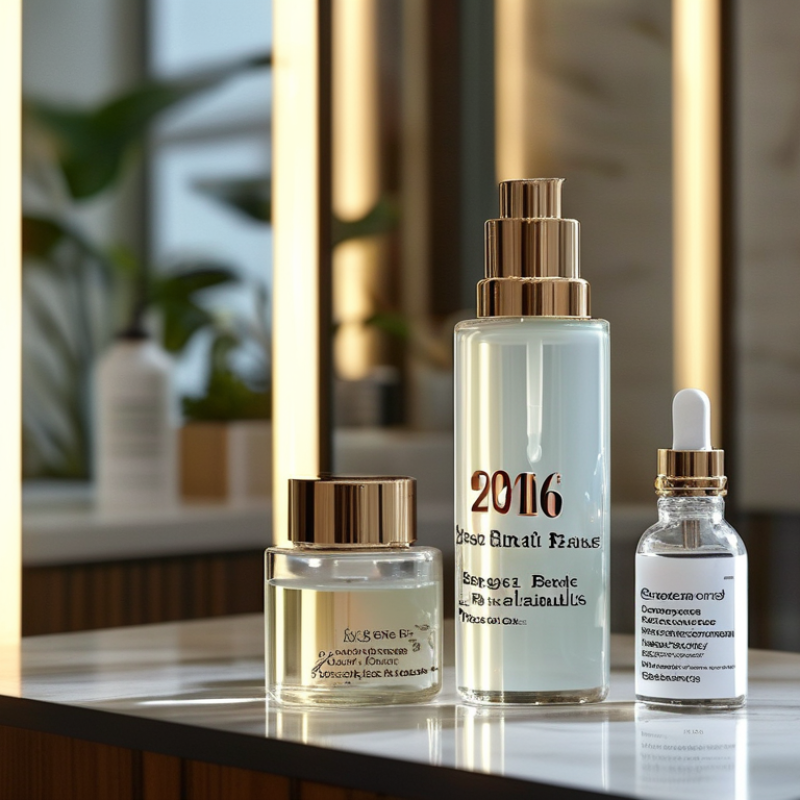
A private label anti-aging serum supplier develops skincare products that another business sells under its own name. The supplier may provide formulas, active ingredients, packaging, labels, and production services. Some suppliers offer ready-made serums, while others create custom formulas with retinol alternatives, peptides, hyaluronic acid, or antioxidants. The right partner should explain ingredient functions clearly, not promise unrealistic results.
Reliable suppliers also support quality control. Ask for ingredient specifications, stability testing, microbiological testing, batch records, and manufacturing details. These documents help confirm product consistency and safe handling. Packaging should protect the serum from light and air, especially when using sensitive ingredients. A professional supplier will also review cosmetic claims and labeling requirements for your target market. Claims such as “removes wrinkles permanently” should raise concerns.
Tips: Request a sample before placing a large order. Compare its color, scent, texture, and absorption. Check the minimum order quantity, lead time, payment terms, and replacement policy. Speak with the technical team, not only a sales representative. No supplier gets every detail perfect. Small communication gaps can become expensive problems later. Also, a popular active ingredient does not automatically suit every customer. Skin tolerance, formula balance, and packaging matter more than impressive marketing language. I would leave room for testing and revision, because the first sample may not be the final answer.
Choosing a private label anti-aging serum supplier requires more than checking a glossy ingredient list. Formula evaluation should begin with evidence, not marketing language. Grand View Research estimated the global anti-aging market at about USD 39.8 billion in 2023, with continued growth expected through 2030. That growth increases competition and makes quality screening essential.
Examine the ingredient percentages, delivery system, and product stability. Retinol, peptides, vitamin C, and niacinamide can support different skin concerns, but concentration and compatibility matter. Ask suppliers for INCI lists, microbiological results, stability data, and batch documentation. A serum that feels silky may still oxidize under warm warehouse conditions. Airless packaging can reduce exposure, yet it cannot repair a weak formula. I would also question vague claims such as “clinically proven” without study design, sample size, or testing dates. No formula is perfect.
Tips: Request independent safety and stability reports. Check whether testing reflects the target climate and packaging. Review irritation data for sensitive skin. Compare the finished serum, not only the raw material list. Mintel’s beauty research has repeatedly highlighted consumer interest in proven efficacy and transparent claims, so suppliers should explain how results were measured. Small details matter, including pH, fragrance level, preservative strategy, and filling conditions. A supplier unwilling to share technical evidence may not be ready for a serious launch.
Choosing a private label anti-aging serum supplier requires more than comparing prices. Look for trained cosmetic formulators, documented quality systems, and clear production records. A dependable factory should explain its ingredient sourcing, batch controls, and testing procedures. Request stability data, microbial results, and packaging compatibility reports before approving a formula. Small details matter.
Customization should cover more than fragrance and bottle color. Suppliers may adjust texture, viscosity, active levels, and preservative systems for your target market. Ask for sample batches in airless pumps and glass droppers. Observe separation, odor changes, and pump performance after several weeks. A sample can look perfect. That assumption is risky.
Reliable manufacturers also support compliant labeling and realistic product claims. They should provide ingredient lists, usage directions, allergen information, and safety documentation for professional review. Confirm minimum order quantities, pilot-run options, lead times, and procedures for handling rejected goods. Traceable batch numbers and retained samples make future investigations easier. I would also ask who approves formula changes, because silent substitutions can damage customer trust. Not every supplier will offer deep customization, and some promises may sound better than their technical capacity. A written specification protects both sides.
Choosing a private label anti-aging serum supplier requires more than reviewing a glossy sample. Grand View Research valued the global anti-aging market at approximately USD 40.49 billion in 2023. It projects a 5.7% CAGR from 2024 to 2030. That growth attracts capable manufacturers, but also inexperienced traders. Ask for full ingredient percentages, stability data, microbial testing, and batch-specific certificates of analysis. A pleasant texture is not proof of performance.
Compliance should be checked before discussing volume. In the United States, cosmetic products generally do not receive premarket FDA approval, while safety and labeling responsibilities remain with the responsible company. For European sales, Regulation (EC) No 1223/2009 requires a product safety report and responsible-person documentation. Request manufacturing licenses, allergen controls, claims substantiation, and traceability records. Marketing language matters. “Reduces the appearance of fine lines” needs credible evidence, not impressive wording.
Pricing comparisons should include packaging, testing, filling, freight, and reformulation fees. A low quotation may hide costly exclusions. Ask whether the minimum order applies per formula, scent, package, or total purchase. Small trial batches reduce risk, although they often carry higher unit costs. The spreadsheet is never perfect. I would compare three quotations using the same specification sheet, then inspect production samples and retention samples. McKinsey’s beauty market analysis has identified continued premiumization, but higher prices do not automatically indicate stronger formulas. A supplier that explains weaknesses clearly may be safer than one promising instant results.
How to compare quality, compliance, pricing, and minimum orders
This procurement framework assigns practical evaluation weights rather than ranking any company or brand. Quality and regulatory compliance receive the highest priority because anti-aging serum suppliers should be able to provide consistent batch specifications, ingredient documentation, stability or safety testing, GMP-related evidence, and compliant product labeling. Pricing and minimum-order flexibility are important commercial factors, but they should be assessed after product quality and compliance requirements are met.
Suggested scoring method: rate each supplier from 0 to 5 for every category, multiply by the category weight, and request written evidence before placing an order.
The best private label anti-aging serum supplier in 2026 depends on your brand’s real operating needs. McKinsey’s 2023 beauty report expects the global beauty market to approach $590 billion by 2028, with skincare remaining a major growth category. That scale creates opportunity, but it also increases supplier risk. A luxury brand may need custom textures, clinical testing, and premium packaging. A startup may value low minimum orders, ready-to-use formulas, and faster sampling.
Look for suppliers that share complete documentation, not attractive claims alone. Their quality system should support ISO 22716 or equivalent cosmetic GMP practices. Request stability data, preservative challenge results, ingredient specifications, and batch traceability. Grand View Research reported that the global anti-aging market reached approximately $62.6 billion in 2022 and projected continued growth through 2030. This supports demand, but market growth does not prove a formula works.
Ask how suppliers substantiate claims such as “visibly reduces fine lines.” Reliable partners can explain testing methods, sample sizes, testing periods, and consumer feedback. They should also support packaging compatibility and region-specific labeling requirements. Suppliers serving regulated markets must understand requirements such as the EU Cosmetics Regulation and US MoCRA. Be careful with impressive percentages. Small studies can mislead. I would compare three suppliers using identical questions, sample formulas, and timelines. The cheapest option may become expensive after reformulation, delays, or rejected packaging. Some brands also overlook communication quality. That mistake is easy to repeat.
| Supplier Profile | Best For | Typical First MOQ | Typical Lead Time | Formula Options | Common Anti-Aging Actives | Key Compliance Evidence | Main Trade-Off |
|---|---|---|---|---|---|---|---|
| Turnkey private label supplier | Brands seeking a fast launch with an existing serum formula and coordinated packaging | Approximately 500–5,000 units | About 8–16 weeks after artwork and formula approval | Pre-developed formulas with limited customization | Hyaluronic acid, niacinamide, peptides, vitamin C derivatives | Ingredient documentation, stability data, microbiological testing, GMP evidence, compliant labeling support | Lower development cost but less product differentiation |
| Low-MOQ startup supplier | New beauty brands testing demand before committing to large inventory | Approximately 100–500 units | About 4–10 weeks for stocked or semi-custom products | Usually limited to catalog formulas, standard bottles, and standard labels | Hyaluronic acid, niacinamide, bakuchiol, botanical extracts | Batch documentation, ingredient list, shelf-life information, basic product safety records | Higher unit cost and fewer packaging choices |
| Custom formulation laboratory | Established brands requiring a distinctive texture, active combination, or exclusive formula | Approximately 1,000–10,000 units | About 4–9 months, including development and testing | High customization, prototype rounds, fragrance-free or sensitive-skin adjustments | Retinoid alternatives, peptides, stabilized vitamin C, ceramides, ectoin | Stability testing, preservative efficacy testing, compatibility testing, safety assessment, formula ownership terms | Longer development cycle and higher upfront investment |
| Clinical-positioning supplier | Brands that need substantiated cosmetic performance claims | Approximately 1,000–5,000 units | About 4–8 months when instrumental or consumer testing is included | Actively optimized formulas with testing support and claim guidance | Peptides, retinol or retinal where legally appropriate, niacinamide, antioxidants | Independent testing options, claim-substantiation reports, stability data, safety assessment, GMP documentation | Testing increases cost and does not guarantee a specific consumer result |
| Sensitive-skin and minimalist supplier | Brands focused on fragrance-free, essential-oil-free, or barrier-support products | Approximately 500–3,000 units | About 8–20 weeks depending on testing and packaging | Reduced-ingredient formulas with lower fragrance and irritation potential | Ceramides, panthenol, beta-glucan, ectoin, hyaluronic acid | Allergen review, preservative efficacy testing, dermatological or HRIPT evidence where available, full ingredient traceability | More limited sensory and fragrance options |
| Clean and naturally oriented supplier | Brands prioritizing naturally derived ingredients and recognized natural-cosmetic standards | Approximately 500–5,000 units | About 10–24 weeks, depending on certification and ingredient availability | Plant-derived oils, botanical extracts, naturally derived humectants, selected fermentation ingredients | Bakuchiol, antioxidant botanicals, plant-derived squalane, vitamin C derivatives | Natural-origin calculation, organic documentation where applicable, supplier traceability, certification eligibility review | Natural ingredients may create color, scent, or batch-variation challenges |
| Premium packaging and luxury-focused supplier | Brands competing through elevated packaging, texture, and retail presentation | Approximately 2,000–20,000 units | About 12–28 weeks, especially for custom components | Custom viscosity, airless packaging, decorated glass, premium secondary cartons | Peptides, stabilized vitamin C, ceramides, retinal or retinol where permitted | Packaging compatibility, transport testing, stability data, component specifications, regulatory labeling review | Higher minimum orders, packaging costs, and production complexity |
| Export and multi-market supplier | Brands selling across multiple countries with different cosmetic labeling requirements | Approximately 1,000–10,000 units | About 10–24 weeks, excluding market-specific registration time | Formula and packaging adapted to target-market restrictions and language requirements | Peptides, hyaluronic acid, niacinamide, antioxidants, retinoid alternatives | Product information file support, safety report, INCI labeling, batch records, export documents, market-specific compliance review | More documentation and coordination are required before launch |
A supplier may provide formulas, active ingredients, packaging, labels, and production services. Some offer ready-made serums. Others develop customized formulas for your market.
Ask for ingredient specifications, INCI lists, stability reports, microbiological results, and batch records. Manufacturing details are also important. Missing documents create uncertainty.
Check its color, scent, texture, and absorption. Watch for separation or odor changes after several weeks. A silky first impression proves little.
Common options include peptides, hyaluronic acid, antioxidants, vitamin C, niacinamide, and retinol alternatives. Their concentration and compatibility matter more than the ingredient names.
Airless pumps can reduce exposure to air and light. Glass droppers may suit some formulas. Packaging cannot rescue an unstable formula.
Customization may include texture, viscosity, active levels, fragrance, packaging, and preservative systems. Ask for sample batches in different containers. Not every promised adjustment is technically practical.
Claims should match available evidence and local cosmetic requirements. Ask how testing was designed, including dates and sample size. Avoid permanent wrinkle-removal promises.
Confirm minimum order quantities, lead times, payment terms, pilot runs, and replacement policies. Also clarify formula-change approvals and rejected-goods procedures. Small gaps become expensive later.
Choosing the right Private Label Anti-Aging Serum supplier in 2026 requires more than comparing product catalogs. A reliable supplier should offer well-developed formulas featuring proven ingredients such as peptides, antioxidants, hyaluronic acid, and skin-supporting botanical extracts, while providing clear information about ingredient quality, stability, testing, and suitability for different skin types. Brands should also evaluate whether the supplier can support customization of texture, fragrance, packaging, labeling, and product claims according to their market positioning.
A complete comparison should include manufacturing standards, quality-control procedures, regulatory documentation, product safety testing, production capacity, lead times, pricing transparency, and minimum order quantities. The best supplier will depend on each brand’s goals: emerging businesses may prioritize flexible order volumes and ready-to-customize formulas, while established companies may need advanced formulation development, scalable production, and deeper packaging support. Careful evaluation helps businesses select a dependable partner and build an effective, compliant, and market-ready anti-aging skincare line.