Industry news, custom formulation guides, and regulatory updates from 34+ years of expertise.
Choosing the Best China Private Label Lip Balm Tubes Supplier requires more than comparing factory prices. The right partner must understand cosmetic packaging, product safety, filling conditions, and brand presentation. A tube may look simple, yet its plastic type, cap fit, twist mechanism, and inner surface can affect the final balm.
Perry Romanowski, a cosmetic chemist and educator, has emphasized, “Packaging is part of the product experience, not merely a container.” That principle matters when selecting Private Label Lip Balm Tubes. A reliable supplier should provide material details, production samples, quality records, and clear customization options. Ask whether the tubes support natural oils, waxes, pigments, and essential oils without cracking or leaking. Request a compatibility test before approving mass production.
Details reveal experience. Check the tube wall under bright light. Test the twist base with dry hands. Leave filled samples in warm and cool conditions. Inspect labels after rubbing and handling. These small checks can expose weak threads, loose caps, or poor printing.
Cost still matters. However, the cheapest quote may hide higher defect rates, large minimum orders, or slow communication. That is where many brand owners misjudge the decision. A supplier may promise flexibility, but written specifications and sample approval provide stronger protection.
This guide examines supplier capabilities, customization, materials, quality control, pricing, lead times, and export support. It also considers an uncomfortable point: no supplier is perfect. Reliable cooperation depends on testing, precise communication, and realistic expectations. The best choice is not always the largest factory. It is the supplier that can repeatedly deliver safe, attractive, and functional tubes for your specific balm formula.
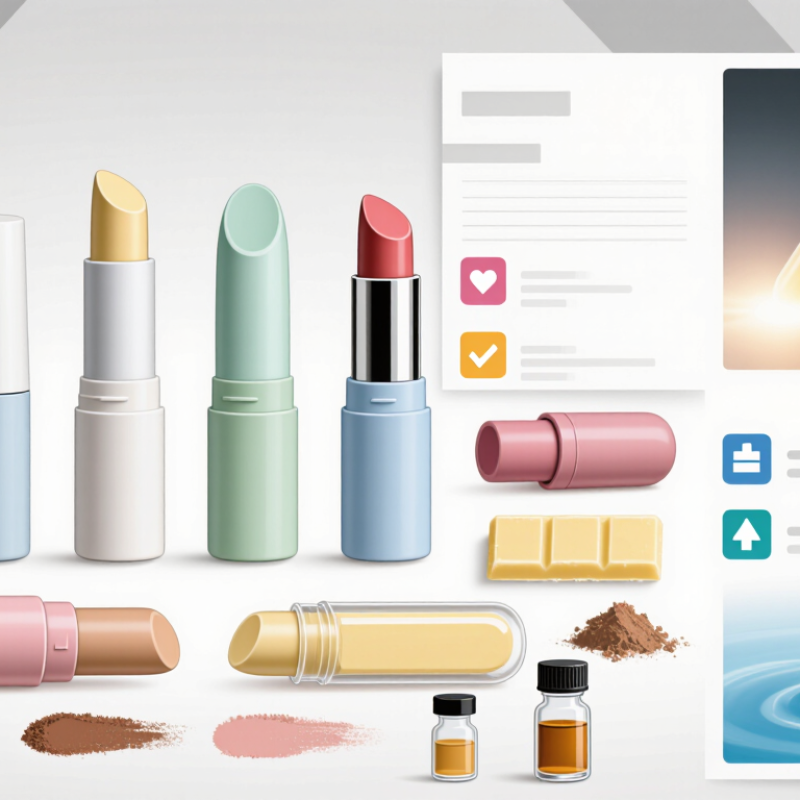
Private label lip balm tubes are packaging products made by a manufacturer for another company’s label. The buyer selects the tube design, color, capacity, and decoration. The supplier may provide empty tubes or fill them with an approved lip balm formula. Common materials include polypropylene and other cosmetic-grade plastics. The tube protects the balm from dust, handling, and repeated opening. The structure looks simple.
A China-based supplier may offer standard tubes, custom molds, printed surfaces, or soft-touch finishes. Customization can include cap color, label position, logo printing, and tube capacity. For example, a 4.5-gram tube suits a compact daily-care product.
A wider tube may feel stronger but use more material. Color matching should be checked against a physical sample, not only a digital image. Small differences matter.
Reliable production requires clear specifications and documented quality checks. Samples should be inspected for smooth twisting, secure caps, clean printing, and consistent filling space.
Ask about material documentation, factory inspection procedures, and sample approval records. A technical team should explain tolerances instead of promising perfection.
One common mistake is judging a tube only by appearance. A glossy surface can hide weak threads or uneven wall thickness. I would also test the package after several opening cycles, because a new tube can feel fine and still loosen during use.
Choosing the best China private label lip balm tubes supplier requires more than comparing prices. Evaluate the factory behind the quotation. Ask whether the supplier manufactures tubes in-house or relies on outside workshops. A factory visit, video audit, or documented production tour can reveal useful details. Check material specifications, tube dimensions, wall thickness, cap fitting, and surface finishing. Request recent quality records and batch traceability. These details show practical control, not just polished sales language.
Always order samples before approving mass production. Test the tube with your actual balm formula. Check leakage after filling, cap alignment, label adhesion, and squeeze performance. Store samples in warm and cool conditions. Some defects appear only after several days. Ask for production lead times, minimum order quantities, packaging methods, and replacement procedures. I once focused too heavily on appearance and overlooked cap consistency. That was an expensive lesson. A strong supplier should answer technical questions clearly and provide suitable material documentation for your target market.
Tips: Compare at least three suppliers using the same checklist. Ask for a written sample approval process. Confirm color tolerances with physical references, not screen images. Inspect cartons for crushing and moisture protection. Keep communication records. Small misunderstandings can become large production problems. Also, do not accept every factory claim immediately. Verify test reports, inspect samples, and consider an independent pre-shipment inspection before final payment.
Choosing a private label lip balm tubes supplier in China requires more than comparing prices. The tube must protect the formula and support your brand’s daily use.
Polypropylene is a practical choice for most standard tubes. It is lightweight, durable, and suitable for smooth twist-up mechanisms. Recycled resin may support sustainability goals, but its color and surface consistency can vary. Ask for material specifications, batch traceability, and compatibility testing with oils, waxes, and fragrances. A stable formula can still expose weak packaging.
Design should match the product experience. A rounded tube feels comfortable in a pocket, while a wider base improves shelf stability. Tight cap tolerances help prevent leakage and contamination. Matte finishes hide fingerprints, but glossy surfaces often create stronger color impact. Paper labels can lower tooling costs, while direct printing offers a cleaner premium appearance. Neither option is perfect. Decoration may show small alignment differences during production.
Request physical samples before approving large quantities. Test the twist action repeatedly, check the cap after drops, and store filled tubes at different temperatures. Inspect odor transfer, surface cracking, label adhesion, and fill height. A supplier with documented inspections is more reliable than one offering only attractive sample photos. Confirm mold ownership, minimum order quantities, production time, and defect handling in writing. Small details matter. A tube that looks excellent may still feel loose after weeks of use.
A practical comparison of common lip balm tube materials, structural options, decoration methods, and product-fit considerations for private label development.
| Tube Material | Key Characteristics | Barrier and Protection | Recommended Balm Type | Suitable Brand Positioning | Decoration and Design Options | Important Considerations |
|---|---|---|---|---|---|---|
| Virgin PP | Lightweight, rigid, smooth, and widely used for twist-up cosmetic packaging. | Good resistance to moisture and many cosmetic ingredients; suitable for everyday handling. | Standard solid lip balms, tinted balms, sunscreen sticks, and treatment sticks. | Mass market, pharmacy, natural beauty, and mid-range collections. | Offset printing Screen printing Hot stamping Color matching | Confirm compatibility with fragrance oils, essential oils, pigments, and high-wax formulas before production. |
| PCR PP | Contains post-consumer recycled polypropylene while retaining a familiar lightweight tube structure. | Generally comparable to PP for basic packaging use, but color and surface consistency may vary by recycled resin source. | Everyday lip balms and value-added products with a documented recycled-content claim. | Eco-conscious, accessible, and sustainability-focused ranges. | Natural color effects Minimal printing Paper labels | Request verified recycled-content documentation and check whether local recycling systems accept the final component combination. |
| PE | Flexible and impact-resistant plastic that can provide a softer squeeze feel than rigid PP. | Good moisture resistance; performance depends on the specific polyethylene grade and wall construction. | Squeeze balms, softer salves, multi-use sticks, and travel-friendly formats. | Natural, casual, family, and functional-care products. | Soft-touch finish Flexographic printing Embossed details | The dispensing feel and dimensional stability should be tested under warm storage and transport conditions. |
| Paperboard Tube | Fiber-based outer body with an inner barrier or liner designed to contain the balm. | Barrier performance depends strongly on the inner lining, adhesive system, and end-cap construction. | Firm, anhydrous balms with controlled oil migration and a stable fill process. | Plastic-reduction, handmade, botanical, and premium natural collections. | Uncoated paper FSC-certified paper options Embossing Water-based inks | Test oil staining, moisture exposure, cap fit, structural strength, and disposal claims for the complete package. |
| Aluminum Component | Rigid, lightweight metal component with a premium tactile appearance and strong dimensional stability. | Provides an effective barrier against light, moisture, and oxygen when properly closed and lined. | Premium balms, highly light-sensitive formulas, refillable concepts, and specialty salves. | Luxury, apothecary, professional, and high-end gift collections. | Anodizing Laser marking Embossing Metallic finishes | Check internal coating or liner suitability, dent resistance, component weight, and the recyclability of mixed-material parts. |
| Mono-Material PP Design | Tube body, cap, and base are designed primarily with polypropylene to simplify material separation. | Similar functional protection to a conventional PP package when correctly engineered. | Standard solid balms where packaging simplicity and end-of-life sorting are priorities. | Modern, minimal, and sustainability-led brands. | One-color print Debossing Uncoated finish | “Mono-material” does not automatically mean recyclable everywhere; verify local collection and sorting requirements. |
| Recommended supplier validation: request material specifications, migration or compatibility information where relevant, decoration samples, closure and torque results, filling trials, dimensional drawings, and packaging test reports before approving a private label order. | ||||||
A reliable China private label lip balm tube supplier must prove more than attractive samples. Ask for material specifications, batch COAs, and full traceability records. The tube should suit the formula, including oils, waxes, pigments, and fragrances. Request compatibility testing, leakage testing, torque checks, and drop testing. For recycled plastic, verify the claimed percentage through supplier documentation. A glossy surface can hide weak seals.
Safety evidence matters. Ask for heavy-metal screening, microbial limits, restricted-substance checks, and packaging migration data where relevant. ISO 22716-based cosmetic GMP controls are useful, but certification alone does not guarantee every batch. Review the audit scope and certificate validity. The EU Safety Gate 2023 report identified cosmetics as 32% of notified dangerous products, showing why packaging and formula controls need attention. Requirements also differ by market. In the United States, MoCRA introduced facility registration, product listing, and serious adverse-event responsibilities. Confirm who handles each obligation in writing.
Tips: Keep one sealed sample from every production batch. Record lot numbers, dimensions, color readings, and closure force. Test filled tubes after heat exposure and transport simulation. A supplier may offer excellent documents but weak production discipline. Check both. I would also repeat random testing, because one inspection can miss inconsistent molding, contamination, or loose caps. Ask for corrective-action records, not only polished presentations.
Best China Private Label Lip Balm Tubes Supplier?
Comparing suppliers requires more than choosing the lowest quotation. Request an itemized price for tube material, printing, caps, packaging, and shipping. A quote that looks cheap may exclude mold fees or color setup costs. Check pricing at several order levels, such as 5,000, 10,000, and 50,000 units. This reveals whether larger quantities create real savings. Ask about payment terms and sample charges too.
Tips: Request physical samples before approval. Test cap fit, tube flexibility, print clarity, and label alignment. Keep one approved sample for production checks. Small details matter.
Minimum order quantities can vary by color, decoration method, and packaging style. A supplier may accept 3,000 tubes with one color, but require 10,000 for custom printing. Confirm whether different shades can share one production run. Otherwise, your inventory may become expensive and uneven. I would also ask for a written lead-time schedule, including sampling, production, inspection, and dispatch. Estimates can change. That is worth admitting early.
Production services should match your development needs. Useful support includes artwork checks, color matching, closure testing, packaging assembly, and quality inspection reports. Ask how defects are counted and what happens when printed tubes arrive damaged. Review factory photos carefully, but do not treat photos as proof. A video call or independent inspection may provide stronger evidence. Some assumptions will be wrong. Reliable suppliers explain limitations before accepting the order.
Typical private-label lip balm tube pricing decreases as order volume increases. The benchmark below reflects commonly quoted market ranges for standard empty tubes with basic customization; actual costs vary by material, decoration, formula, packaging, and shipping terms.
When comparing suppliers, check whether the minimum order quantity starts at approximately 1,000–10,000 units, whether custom color and logo printing are included, and whether production lead times of about 20–45 days are clearly stated. Sample development, filling, labeling, and final packaging may be charged separately.
They are cosmetic packaging tubes made for another company’s label. Buyers choose the design, color, capacity, and decoration. The supplier may provide empty tubes or filled packaging. The tube protects balm from dust and repeated handling.
Polypropylene and other cosmetic-grade plastics are common choices. The material should suit oils, waxes, pigments, and fragrances. Ask for material specifications and supporting documents. A glossy tube may still have weak walls.
Options may include cap color, logo printing, label position, and tube capacity. Suppliers may also offer custom molds and soft-touch finishes.
Inspect twisting, cap security, printing, filling space, and wall thickness. Open and close each sample repeatedly. Test again after transport simulation. One opening is not enough.
Request material data, batch certificates, traceability records, and restricted-substance testing. Useful tests include leakage, torque, drop, microbial, and heavy-metal checks. Packaging migration data may also matter. Documents help, but they are not perfect proof.
Test filled tubes with the actual balm formula. Include oils, waxes, pigments, and fragrances in the evaluation. Check for leakage, swelling, cracking, odor changes, and loose caps. Heat exposure can reveal problems. I might trust an empty tube too quickly.
Request itemized prices for tubes, caps, printing, packaging, molds, and shipping. Compare quantities such as 5,000, 10,000, and 50,000 units. Ask about sample fees and payment terms. The cheapest quotation may omit important costs.
Minimum quantities can change with color, printing, and packaging style. One color may require 3,000 units. Custom printing may require 10,000 units. Request a written schedule for sampling, production, inspection, and dispatch. Timelines can change. Be realistic.
Keep one sealed sample from every production batch. Record lot numbers, dimensions, colors, and closure force. Ask how defects are counted and corrected. Independent inspection can strengthen factory checks. Factory photos are not enough.
Private Label Lip Balm Tubes are customizable packaging solutions that allow brands to present lip care products with their own colors, logos, shapes, and functional features. When selecting a China-based supplier, buyers should assess manufacturing experience, communication efficiency, customization capabilities, production capacity, and sample quality. Clear specifications and reliable project support can help ensure the packaging matches the product concept and target market.
Material and design choices should balance appearance, usability, durability, and sustainability. Suppliers should provide transparent information about material composition, product safety testing, quality-control procedures, and documentation needed for applicable market requirements. Buyers should also compare quotations carefully, considering minimum order quantities, tooling costs, printing methods, lead times, packaging, and after-sales service rather than focusing only on unit price. A dependable supplier should offer consistent quality, flexible production services, and clear terms from sampling through final delivery.