Choosing a contract cosmetic manufacturer can shape a product long before it reaches a store shelf. The right partner may help refine a formula, source suitable packaging, plan production runs, and maintain clear quality records. The wrong fit can mean delayed samples, costly revisions, or cartons that arrive after a launch date. Small details matter.
Contract Cosmetic Manufacturing is not simply a matter of filling bottles. Buyers should examine a manufacturer’s experience with their product type, communication practices, testing capabilities, minimum order quantities, and approach to quality control. Ask how sample changes are documented. Find out who manages ingredient and packaging decisions. A polished presentation is useful, but it is not proof of reliable execution.
As an illustrative industry perspective, contract manufacturing adviser Daniel Mercer puts the buyer’s challenge this way: “A strong manufacturing partner makes quality visible—in the sample, the process, and the records.” Treat that as a guiding principle, not a substitute for independent checks. No list is perfect. A supplier suited to a large established brand may be a poor match for a small first run.
This Top 10 guide compares contract cosmetic manufacturers through practical criteria, including product capabilities, production flexibility, communication, and buyer fit. It aims to help global buyers ask sharper questions and identify potential partners worth evaluating. Compare the details. Verify the claims. Then decide whether the working relationship feels dependable, not merely impressive on paper.
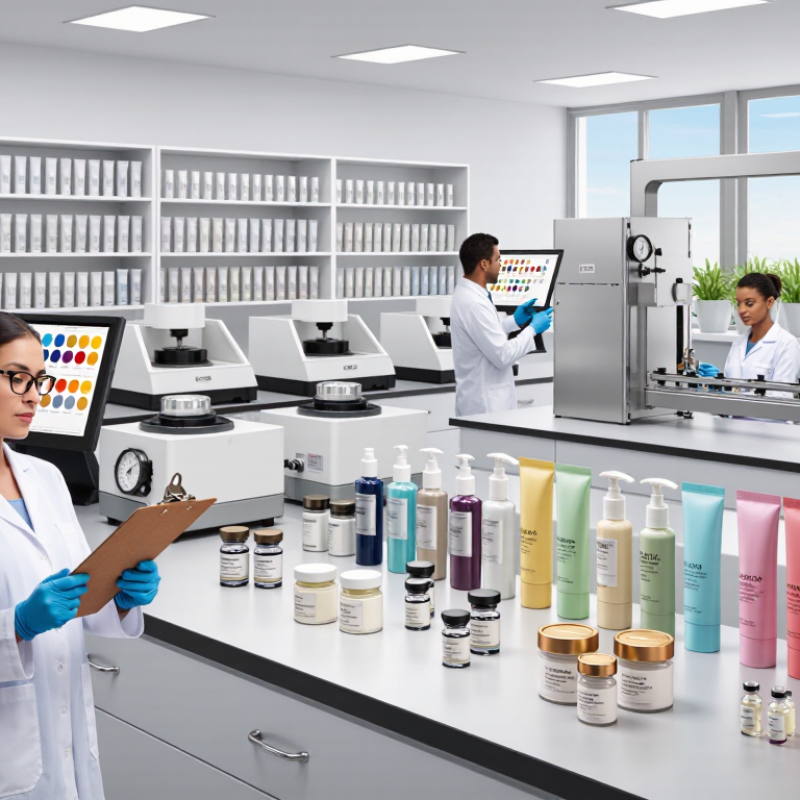
Contract cosmetic manufacturing allows a buyer to work with a specialist factory to develop or produce skincare, haircare, and personal-care products. The manufacturer may source ingredients, blend formulas, fill containers, and prepare finished goods for shipment. Responsibilities vary by project, so written specifications matter. A formula, fragrance level, bottle material, and fill volume should be agreed before production begins. Small details matter.
For global trade, this model connects product development with manufacturing capacity and cross-border logistics. Buyers can request samples, review quality procedures, and confirm how batches are identified and documented. Useful records may include ingredient specifications, batch information, stability results, and packaging checks. These details help teams investigate concerns and coordinate with importers. Shipping documents and product information also need to match the destination market’s requirements, which can differ between countries.
A reliable partnership takes more than a competitive quote. Buyers should ask who approves formula changes, how rejected materials are handled, and when production updates are shared. Factory visits or independent audits can provide context, though they do not replace ongoing checks. Even a detailed brief can miss a practical issue, such as a pump that leaks after transport. That is worth admitting. Pilot runs and packaging tests can reveal problems before larger orders move through international supply chains.
A capability-based comparison of common contract manufacturing services and the checks global buyers can make.
| No. | Manufacturing Capability | Typical Scope | Relevance to Global Trade | Buyer Due-Diligence Checks |
|---|---|---|---|---|
| 1 | Product development and formulation | Formulation development, ingredient selection, prototypes, and product stability work. | Formulas may need adjustment for target-market rules, climate, packaging, or consumer preferences. | Clarify formula ownership, confidentiality, testing responsibilities, and change-control procedures. |
| 2 | Skin-care production | Common formats include creams, lotions, gels, serums, and facial cleansers. | A buyer can source multiple product formats through one production partner, subject to facility capabilities. | Review batch records, product specifications, stability data, and the facility's experience with the required format. |
| 3 | Color cosmetics production | May include powders, lip products, foundations, and other makeup formats. | Colorants and product claims can be subject to market-specific restrictions and labeling rules. | Confirm shade-matching methods, colorant documentation, production controls, and target-market compliance support. |
| 4 | Hair-care production | Typical products include shampoos, conditioners, and styling products. | Product viscosity, pack format, and shipping conditions can affect production and export planning. | Check equipment suitability, bulk-to-fill controls, packaging compatibility, and agreed product specifications. |
| 5 | Batch manufacturing and scale-up | Transfers an approved product from development or pilot batches to commercial production. | Reliable scale-up supports repeat orders and consistent supply across markets. | Ask how scale-up is validated and how batch size, lead time, and production capacity are confirmed. |
| 6 | Filling and packaging | Filling products into suitable containers, closing them, and applying labels or other pack components. | Packaging must suit the product and meet the destination market's presentation and labeling requirements. | Confirm available line formats, packaging sourcing responsibilities, artwork approvals, and compatibility testing. |
| 7 | Quality management and testing | Quality procedures can cover incoming materials, in-process checks, finished-product release, and records. | Documented quality controls help buyers assess consistency and investigate issues across supply chains. | Review the quality system, testing plan, release criteria, traceability, complaint handling, and audit access. |
| 8 | Cosmetic GMP practices | Good manufacturing practices address controlled production, hygiene, documentation, and related quality activities. | ISO 22716 provides guidelines for good manufacturing practices for cosmetics; applicable legal obligations vary by market. | Verify the site's current practices and any claimed certification, including its scope and issuing body. |
| 9 | Regulatory and product documentation | May include ingredient information, product specifications, safety-related records, and label support. | Cosmetic definitions, notification or registration processes, labeling rules, and responsible-party requirements differ by jurisdiction. | Define who prepares and approves each document, and confirm requirements with qualified regulatory specialists in target markets. |
| 10 | Export readiness and supply coordination | Production scheduling, export documentation coordination, shipping preparation, and order communication. | International orders involve customs, shipping terms, transit planning, and destination-country import requirements. | Agree responsibilities for freight, customs documents, delivery terms, forecasts, lead times, and contingency planning. |
Note: This table compares common service capabilities, not named or ranked suppliers. Actual services, certifications, capacity, and regulatory responsibilities should be confirmed directly with each facility.
Ask for sample batch records showing ingredient weights, process temperatures, and inspection results. Clear records make routine checks easier to assess.
Check material labels, clean production areas, and staff knowledge of routine quality checks. Small details can be revealing.
Compare texture, fragrance consistency, and packaging fit. A cream that separates or a pump that clogs may expose a real issue.
Request typical lead times, minimum order quantities, line formats, and realistic output for trial and repeat runs. Capacity figures can change.
Compare testing fees, tooling costs, packaging work, and total landed costs—not just the unit price. Cheap can become costly.
Match its equipment, development process, and order quantities to your product and launch plan. A small test batch helps.
Ask who reviews local labeling and safety requirements, and get responsibilities in writing. Seek qualified advice where needed.
No. It shows one result, not every batch. Ask about traceability, cleaning, and defect handling; uncertainty remains.
It can expose packaging problems, handoff gaps, or delays. Even a successful trial deserves a second look.
This article explains how Contract Cosmetic Manufacturing helps businesses bring personal care products to market through specialized production partners. It outlines the role these manufacturers play in global trade, from product development and formulation support to packaging, quality control, and scalable production. For global buyers, selecting a partner involves assessing experience, communication, technical capabilities, quality systems, and the ability to meet the requirements of intended markets.
The article also presents ten types of contract cosmetic manufacturers serving international buyers and compares their services, compliance practices, and production capacity. Rather than treating one provider as suitable for every business, it offers a practical framework for matching a manufacturer to a brand’s product range, order volumes, timelines, and market needs. Careful evaluation can help buyers build reliable supplier relationships and support consistent product quality as their businesses grow.