Stay ahead of beauty innovation — 2025 Haircare Trend Report is now available. Read Now →
Knowledge Center

Beauty & Skincare OEM Insights

Industry news, custom formulation guides, and regulatory updates from 34+ years of expertise.

0%

In 2026, Organic Facial Cleanser Formulation is moving beyond simple claims of purity. Brands are examining ingredients, processing methods, packaging, and measurable skin benefits. The strongest products may combine certified organic botanicals with modern cosmetic science. Think of a creamy cleanser that removes sunscreen, rinses clean, and leaves no tight sensation.

Cosmetic chemist Perry Romanowski has often emphasized, “Natural does not automatically mean safer.” This reminder matters when formulators select essential oils, botanical extracts, preservatives, and surfactants. Organic status does not remove the need for stability testing, microbial protection, allergen review, or responsible usage levels. A rosewater cleanser may smell beautiful, yet its formula still needs reliable preservation.

The leading 2026 trends will likely include low-water cleansing bars, concentrated powders, refillable packaging, microbiome-conscious formulas, and upcycled plant materials. Mild glucosides, amino-acid surfactants, and carefully balanced oils may support gentler cleansing. Transparent sourcing will also become more influential, especially when brands show harvest locations, certification details, and supplier standards.

Still, not every trend deserves immediate adoption. A “natural” label can sound convincing while hiding weak performance. I remain cautious about formulas that rely heavily on fragrance or make broad microbiome promises. Real expertise appears in the details: a controlled pH, stable texture, clean rinsing, suitable preservation, and evidence from repeatable testing. This article explores the most practical developments shaping Organic Facial Cleanser Formulation in 2026. Some ideas will succeed. Others may need more proof.
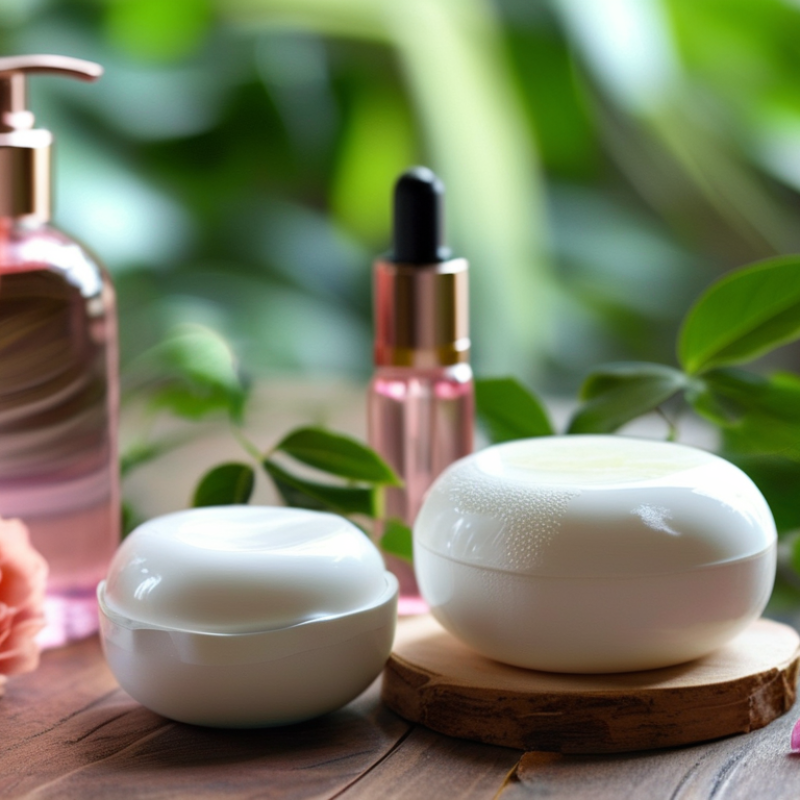
2026 Top Organic Facial Cleanser Formulation Trends?

What Defines an Organic Facial Cleanser in 2026

In 2026, an organic facial cleanser is defined by more than a green label. Its key ingredients should come from verified organic agriculture whenever suitable. Certification, traceable sourcing, and transparent processing records matter. “Natural” and “organic” are not interchangeable terms. A cleanser may contain botanical extracts yet lack meaningful organic verification.

A reliable formula usually combines gentle plant-derived surfactants with certified organic oils, hydrosols, or extracts. The ingredient list should explain percentages, origin, and processing methods clearly. Fermented ingredients and low-water formats are gaining attention because they may reduce waste and support concentrated formulas. However, fermentation does not automatically make a product organic. The full supply chain still needs review.

In practical testing, a good cleanser should rinse cleanly without leaving tight, squeaky skin. I look for mild foam, a stable texture, and packaging that protects the formula from contamination. Preservatives also deserve careful attention, especially in water-based products. Organic status cannot replace microbiological safety. This is where marketing language often becomes confusing. I still think some “eco” claims are too broad, and certification standards differ across regions. A responsible formulator should state those limits instead of promising purity. A quiet label can be more trustworthy.

How Skin Barrier Science Shapes Cleanser Formulations

2026 Top Organic Facial Cleanser Formulation Trends: How Skin Barrier Science Shapes Cleanser Formulations

In 2026, organic facial cleansers are moving beyond simple “natural” claims. Formulators are studying how cleansing affects the skin barrier after rinsing. This barrier contains lipids, proteins, and microbiome-supporting conditions. Harsh surfactants can remove excess oil, but they may also increase tightness and dryness. A milder formula usually combines gentle cleansing agents with a skin-friendly pH, often near 4.5 to 5.5. The exact result still depends on concentration, water quality, and contact time.

Barrier-focused formulas may include plant-derived humectants, soothing extracts, and lipid-supportive ingredients. However, organic does not automatically mean gentle. Essential oils and botanical allergens can trouble reactive skin. A cleanser can look elegant on paper and still sting during real use. That is where stability checks, preservative testing, repeat-use trials, and qualified skin assessments matter. I would not judge performance from ingredient origin alone.

Tips: Massage with lukewarm water for about 20 seconds. Avoid scrubbing with rough cloths. Pat dry instead of rubbing. If skin feels tight ten minutes later, reconsider the cleanser’s surfactant strength or washing frequency. Patch testing helps, although it cannot predict every reaction. Formulators should keep questioning “clean” beauty language and measure comfort, barrier changes, and long-term tolerability.

Which Natural Ingredients Are Trending in Facial Cleansers

2026 Top Organic Facial Cleanser Formulation Trends: Which Natural Ingredients Are Trending in Facial Cleansers

Natural facial cleanser development in 2026 is moving toward familiar, traceable botanicals rather than exotic ingredient lists. Oat extract remains popular because beta-glucan can support a calmer skin feel and reduce cleansing tightness. Colloidal oat works especially well in creamy and low-foam formulas. Aloe vera juice adds water-based comfort, but it cannot replace a complete moisturizing system. Green tea extract is also gaining attention for its antioxidant profile and fresh, lightly herbal positioning. Keep it measured.

Rice-derived ingredients, calendula, and chamomile are appearing in gentle cleanser concepts for sensitive-feeling skin. However, natural does not automatically mean non-irritating. Essential oils may create fragrance appeal, yet they can challenge sensitive users and complicate tolerance testing. Jojoba oil and sunflower-derived emollients can improve after-feel without making every cleanser heavy.

Experienced formulators often find that the surfactant blend matters more than one fashionable botanical. A mild amino-acid or glucoside system, balanced near a skin-compatible pH, may protect comfort better. Preservation still requires serious validation, especially in water-rich formulas containing aloe or botanical extracts. Organic status also depends on accepted certification standards, not attractive wording alone.

I would question any formula celebrating ten plant extracts but offering little testing evidence. Patch testing, stability checks, and transparent sourcing make these trends more credible. Some formulas will still feel tight.

How Sustainable Packaging Influences Cleanser Development

2026 Top Organic Facial Cleanser Formulation Trends: How Sustainable Packaging Influences Cleanser Development

Sustainable packaging is changing how organic facial cleansers are formulated. A lightweight tube can reduce transport emissions, but it may limit water-rich formulas. Airless pumps protect sensitive botanical extracts from repeated exposure to air and fingers. This can support gentler preservation strategies. However, every package needs compatibility testing. Oils, surfactants, and essential materials may soften seals or alter texture over time. Small details matter.

Refill systems are also shaping cleanser design. Concentrated powders or solid cleansing bars reduce water and packaging volume during shipping. Users add water at home, often in a reusable container. The formula must dissolve evenly and remain mild after dilution. Clear instructions become part of product safety. Poor instructions can create contamination risks. That issue deserves more attention.

Recycled plastic can lower reliance on new materials, but its color and odor may affect consumer acceptance. Mono-material packaging can simplify recycling, yet it may provide less barrier protection than multilayer structures. Formulators should assess stability, microbial safety, dispensing performance, and end-of-life options together. Independent laboratory testing and documented supplier data strengthen credibility. Organic ingredients alone do not make a cleanser sustainable. I have seen development plans focus heavily on ingredient sourcing while ignoring the final five grams left inside a difficult pump. That waste is small, but repeated millions of times, it becomes significant.

How to Evaluate Safety, Efficacy, and Organic Certification

Current 2026 cleanser development favors low-foam, barrier-conscious, and water-saving formats. Those trends still require evidence. Evaluation should begin with the complete ingredient list, not the front label. Check cleansing agents, fragrance components, preservatives, and allergen declarations. A natural origin does not guarantee low irritation. Patch testing matters. Review pH, rinse feel, and eye-area tolerance under controlled conditions.

Safety evidence should include microbiological testing, stability checks, and a documented preservative challenge test. Packaging also matters; wide-mouth jars may increase contamination during repeated use. Efficacy needs measurable endpoints, such as reduced surface oil, improved comfort, or less visible residue. Avoid vague promises like “detoxifying” without a defined testing method. Small studies help. Consumer feedback may reveal tightness that laboratory measurements miss, but feedback alone cannot prove performance.

For organic certification, verify the certifier, approved ingredient percentages, processing rules, and certificate validity. Requirements can vary across markets. Check whether certification covers the finished cleanser or only selected ingredients. Supplier records, audits, and traceability strengthen credibility. Certification does not replace a safety assessment. A cleanser may satisfy organic requirements yet feel harsh on dry or sensitive skin. That gap deserves attention. I would also question “100% organic” wording when water, minerals, or processing aids follow different standards. Transparent limitations often build more trust than perfect-sounding claims.

FAQS

What makes a facial cleanser genuinely organic in 2026?

Its suitable ingredients should come from verified organic agriculture. Certification and traceable sourcing matter. A green label proves very little.

Is a natural cleanser automatically organic?

No. Natural and organic describe different standards. Botanical extracts may lack meaningful organic verification. Check certification, origin, and processing records.

Which ingredients are trending in gentle organic cleansers?

Oat, aloe vera, green tea, rice-derived ingredients, calendula, and chamomile remain popular. Jojoba and sunflower-derived emollients can improve skin feel. More extracts do not guarantee better results.

What cleansing ingredients help reduce tightness?

Mild amino-acid or glucoside surfactants can support a comfortable cleanse. A skin-compatible pH also matters. The surfactant blend often matters more than one fashionable botanical.

Are essential oils suitable for every organic cleanser?

No. They may add fragrance, but sensitive users can react to them. Natural does not mean non-irritating. Patch testing remains sensible.

Why are preservatives important in organic facial cleansers?

Water-based formulas can support microbial growth, especially with aloe or botanical extracts. Organic status cannot replace microbiological safety. Preservation needs stability and laboratory validation.

How can I tell whether a cleanser performs well during use?

It should rinse cleanly without leaving tight, squeaky skin. Look for mild foam, stable texture, and an easy-to-control amount. Some formulas still feel tight.

How does sustainable packaging affect cleanser development?

Lightweight tubes can reduce shipping emissions but may restrict formula choices. Airless pumps can limit repeated air and finger exposure. Every package needs compatibility testing.

Are refill powders and solid cleansing bars automatically more sustainable?

Not automatically. They can reduce shipped water and packaging volume. Users must dilute them correctly in clean, reusable containers. Poor instructions may increase contamination risks.

What should responsible cleanser claims include?

Claims should explain ingredient origins, certification limits, testing, and packaging choices. Organic ingredients alone do not prove sustainability. I would question broad “eco” language without evidence.

Conclusion

In 2026, an Organic Facial Cleanser Formulation is defined by more than the use of plant-based ingredients. It should combine responsibly sourced organic materials, gentle cleansing performance, transparent processing, and compliance with recognized organic certification requirements. Modern formulations increasingly focus on protecting the skin barrier by using mild surfactants, balanced pH levels, and moisturizing components that help reduce dryness and irritation without leaving residue.

Trending natural ingredients include botanical extracts, cold-pressed oils, soothing floral waters, and biodegradable cleansing agents selected for their skin compatibility and functional value. Sustainability also influences development through concentrated formulas, recyclable or refillable packaging, reduced water use, and responsibly sourced materials. To evaluate a cleanser effectively, consumers and formulators should consider ingredient safety, cleansing efficacy, skin tolerance, packaging impact, and certification credibility. The most successful products will unite natural origin, scientific formulation, environmental responsibility, and consistent performance.


Julian

Julian

Julian is a professional marketing specialist with a deep understanding of the company’s products, market trends, and customer needs. Through years of experience in product communication and business development, he has built strong expertise in presenting technical features as clear, practical......