Industry news, custom formulation guides, and regulatory updates from 34+ years of expertise.
Choosing a reliable Private Label Collagen Supplement manufacturer requires more than comparing product prices. Brand owners must examine formulation quality, ingredient traceability, production experience, testing procedures, and communication standards. A polished website can look convincing, but it cannot replace verified documentation.
This guide reviews ten manufacturers that serve different business needs, including startup-friendly minimum order quantities, custom flavor development, flexible packaging, and larger-scale production. Key considerations include collagen source, peptide specifications, allergen controls, stability testing, and compliance with applicable food supplement regulations. Certificates such as GMP, ISO, or third-party laboratory reports may support supplier credibility, but they should be checked carefully and matched to the actual facility.
Details matter. A manufacturer should explain how raw materials are received, stored, tested, and released. Clear batch records and accessible certificates can reduce avoidable risks. Lead times also deserve attention, especially when products require printed tubs, sachets, or customized labels. Some suppliers may offer impressive capabilities but limited support after the first order. That weakness is easy to overlook.
No ranking can suit every company. A beauty brand may prioritize marine collagen and premium packaging, while a sports retailer may need larger tubs and faster replenishment. Supplier information can also change over time. Therefore, this overview should support further verification, not replace it. The strongest partnership usually combines transparent evidence, realistic expectations, and direct questions before production begins. Small details often reveal the real difference.
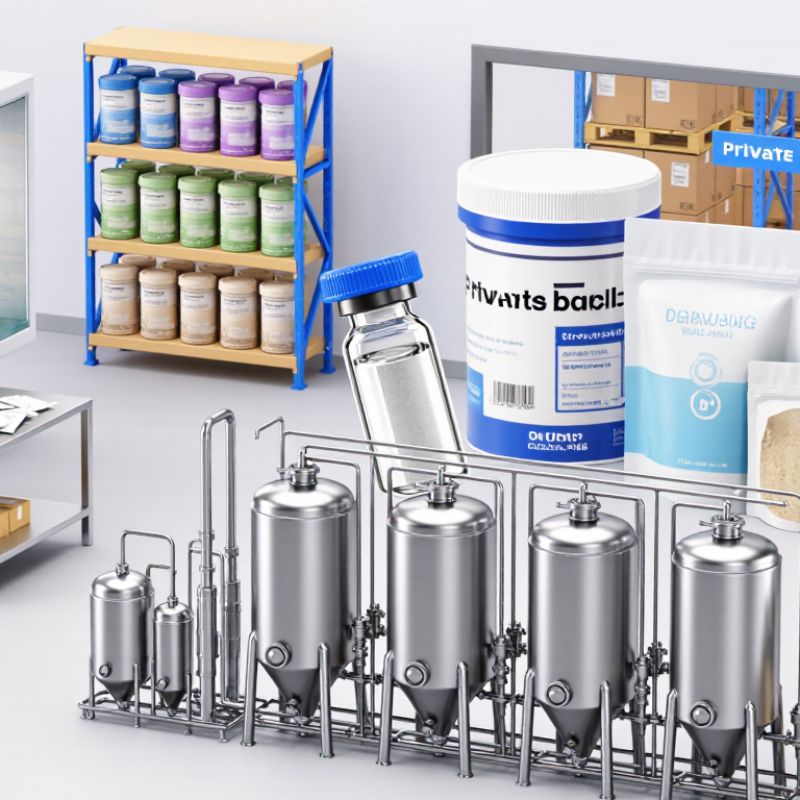
Private label collagen supplement manufacturers develop and produce collagen products sold under another company’s label. They may manage raw material sourcing, formula development, flavoring, filling, labeling, and batch documentation. The buyer usually owns the consumer-facing brand, while the manufacturer provides technical production expertise. That relationship can shorten development time. It can also create blind spots.
According to Grand View Research, the global collagen market was valued at approximately USD 9.1 billion in 2023, with continued growth projected through 2030. This expansion increases demand for reliable private label partners. A qualified manufacturer should verify collagen identity, source, molecular characteristics, and dosage consistency. Testing should also cover microbiological quality, heavy metals, allergens, and contaminants. Ask for batch-specific certificates of analysis, not generic files. Details matter.
Look beyond the sample jar. Review the facility’s quality system, traceability process, stability data, and change-control procedures. The Nutrition Business Journal has reported sustained growth in the broader dietary supplement market, intensifying competition and raising consumer expectations. Manufacturers should therefore support compliant claims and clear ingredient declarations. “Clinically proven” requires evidence for the exact ingredient and intended use. Packaging alone proves little. Even experienced buyers can overlook flavor stability or moisture sensitivity during storage. A manufacturer may appear capable during sampling yet perform inconsistently at scale. Independent testing remains a sensible safeguard.
Choosing a private label collagen supplement manufacturer requires more than comparing prices. Manufacturing capability should be checked through evidence, not polished presentations. Ask whether the facility handles collagen powders, capsules, liquids, or only repacking. The answer affects formulation control, production speed, and quality risks.
Request detailed raw material records, including collagen source, peptide size, allergen status, and country of origin. Reliable manufacturers can provide batch-specific certificates of analysis. These should cover identity, microbiological limits, heavy metals, moisture, and active content. Check whether independent laboratories verify these results. A document without traceable laboratory details is weak evidence.
Walk through the quality system. Look for controlled weighing areas, clearly labeled quarantine zones, calibrated equipment, and electronic batch records. Good facilities explain how they manage deviations, recalls, cleaning, and supplier changes. Stability testing also matters. Ask for data from real packaging under heat and humidity conditions. A sample may taste smooth today but develop odor later.
I have found that small pilot batches reveal more than large promises. Test mixing uniformity, fill weight, seal strength, and label accuracy. Ask how quickly the manufacturer investigates a failed result. Honest answers are valuable. A polished factory tour can still hide poor documentation. That is an uncomfortable point, but it deserves attention. Manufacturers should also review product claims and labeling against the target market’s requirements. Capability includes compliance, not just machinery.
The top 10 private label collagen supplement manufacturers should be judged by evidence, not attractive catalogs. Experienced buyers inspect peptide specifications, raw material origins, and batch consistency. A reliable manufacturer should provide current certificates of analysis, microbiological results, and heavy-metal testing for each production lot. Clear records matter.
Look for hydrolyzed collagen with defined peptide content and documented animal or marine sources. The supplier should explain allergen controls, sanitation procedures, and storage conditions without vague promises. Ask for a small sample before approving a large order. Taste, solubility, odor, and sediment can change after mixing with coffee or cold water. Small details matter.
Quality systems matter more than polished sales language. Check whether the facility follows recognized manufacturing standards and supports independent audits. Confirm label review, ingredient traceability, stability testing, and realistic production timelines. Packaging should protect powder from moisture, especially in humid warehouses. A transparent supplier will also explain minimum order quantities, filling options, and corrective actions after a failed test.
No manufacturer is perfect. I would still question unusually low prices, rushed approvals, or test documents without lot numbers. Some claims may sound professional but remain difficult to verify. A careful shortlist should include production experience, technical support, communication speed, and evidence from repeat customers. Private label success depends on more than a finished pouch.
Private-label collagen manufacturers now offer far more than standard powder tubs. Their product ranges may include hydrolyzed collagen peptides, capsules, gummies, liquid sachets, and ready-to-mix sticks. Grand View Research valued the global collagen market at USD 9.76 billion in 2022, with an expected 8.3% CAGR through 2030. Fortune Business Insights estimated the market at USD 10.94 billion in 2023. Different methods produce different figures, which deserves attention. Buyers can request bovine, marine, or porcine sources, alongside unflavored, berry, citrus, and coffee profiles. Clean labels need evidence.
Manufacturing services often include formula design, raw-material sourcing, pilot production, flavor testing, packaging artwork, and finished-goods fulfillment. Experienced suppliers can coordinate identity, microbiological, heavy-metal, allergen, and stability testing with qualified laboratories. Some also provide certificates of analysis, traceability records, shelf-life guidance, and regulatory documentation support for target markets. The better partners explain testing limits clearly. Vague promises are not enough.
Private-label programs may also offer custom sachet sizes, recyclable containers, tamper-evident seals, and batch coding. Minimum order quantities vary widely, so early cost modeling is essential. A low opening price may hide expensive setup fees or slow reorders. Look closer. I would not judge a manufacturer from a glossy sample alone. Taste, dissolution, documentation, and communication often reveal more than the first presentation. Supplier audits and independent test reviews remain useful, even when the product appears technically polished.
Private-label manufacturers commonly develop powders, capsules, gummies, stick packs, and ready-to-drink collagen products. The chart shows collagen peptide dose ranges frequently used in human research by application.
Typical manufacturer services include: custom formulation, flavor development, collagen-source selection, blending, private-label packaging, third-party testing, regulatory documentation, stability testing, and fulfillment support.
Dose ranges are representative amounts used in published human studies and are not universal product recommendations. Final serving sizes depend on the formula, target benefit, ingredients, and regulatory requirements.
How to Choose the Right Collagen Manufacturing Partner
Choosing a private label collagen manufacturer requires more than comparing prices. Grand View Research estimated the global collagen market at USD 9.76 billion in 2023, with strong growth expected through 2030. This expansion attracts capable suppliers and inexperienced ones. Request GMP certification, recent audit records, and product-specific certificates of analysis. Confirm collagen identity, peptide size, microbiological limits, heavy metals, allergens, and stability data. A polished sales deck is not enough.
Traceability should reach the original raw-material source. Ask whether the collagen comes from marine, bovine, or porcine materials. Check country of origin, processing controls, and storage conditions. Suppliers should explain testing methods, laboratory accreditation, and batch-release procedures clearly. The Council for Responsible Nutrition emphasizes quality systems and transparent substantiation for supplement products. Claims still need careful review. Marketing language can move faster than evidence.
Tips: Order pilot samples before signing large volumes. Compare flavor, solubility, odor, packaging, and finished-batch results. Ask for a mock recall exercise. It reveals practical weaknesses. Confirm minimum order quantities, lead times, change-control policies, and complaint handling. A lower quote may exclude testing or stability work. That mistake becomes expensive later. Even experienced buyers can overlook communication speed, especially across time zones. Choose a partner that documents answers, accepts independent testing, and treats small inconsistencies as issues worth investigating.
It develops and produces collagen products under another company’s label. Services may include sourcing, formulation, flavoring, filling, labeling, and batch records.
Request current quality certifications, audit records, and batch-specific certificates of analysis. Generic documents are weak evidence. Details matter.
Verify collagen identity, source, peptide size, dosage, and country of origin. Sources may include marine, bovine, or porcine materials.
Testing should cover microbiological quality, heavy metals, allergens, contaminants, and stability. Ask for laboratory methods and accreditation details.
Pilot samples reveal flavor, solubility, odor, packaging, and moisture problems. A sample jar can look perfect. Large-scale production may differ.
Review traceability, batch-release procedures, change-control policies, and stability data. Ask for a mock recall exercise. Weak records signal risk.
Confirm minimum order quantities, lead times, testing costs, stability work, and complaint handling. A low quote may exclude important services.
Claims should match evidence for the exact ingredient and intended use. “Clinically proven” needs appropriate supporting research. Packaging proves little.
Yes. Independent testing can verify identity, contaminants, and dosage consistency. It may feel repetitive, but assumptions become expensive later.
Choose a partner that documents answers, explains delays, and investigates small inconsistencies. Fast replies help. Perfect communication is unlikely.
Private Label Collagen Supplement manufacturers help businesses develop, produce, package, and distribute collagen-based products under their own brand names. They may offer powders, capsules, tablets, gummies, liquid formulas, and functional blends designed for beauty, fitness, wellness, or general nutritional support. A reliable manufacturer should demonstrate strong quality control, transparent sourcing, validated testing procedures, flexible minimum order quantities, and the ability to meet relevant food and supplement regulations.
This guide presents a practical framework for comparing the top 10 Private Label Collagen Supplement manufacturers without focusing only on price. It explains how to evaluate raw material quality, formulation expertise, production capacity, packaging options, certifications, lead times, and customer support. The right manufacturing partner should understand your target market, provide clear communication, support product customization, and maintain consistent standards from ingredient selection through final delivery. Careful comparison can help businesses choose a dependable partner and build a supplement line that is safe, appealing, and commercially suitable.