CE Certified Wholesale Brightening Facial Cleanser Manufacturers & Factories in the Nagoya Market
An Executive Technical Blueprint for Private Label Brands, Importers, and OEM/ODM Distributors in Aichi Prefecture and the Greater Chūbu Cosmetic Cluster.
Featured Manufacturing Formulations
CE & ISO Certified Brightening Skincare Line
Engineered for high skin affinity, optimal transdermal absorption, and rigorous European CE & Japanese PMDA regulatory safety standards. Select a formulation blueprint below for custom private labeling.
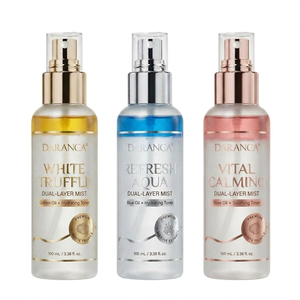
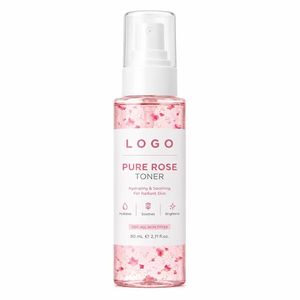
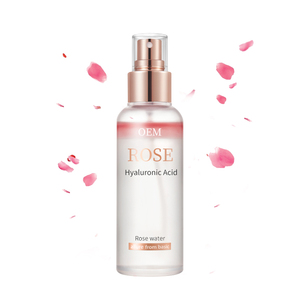
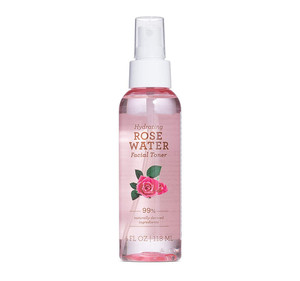
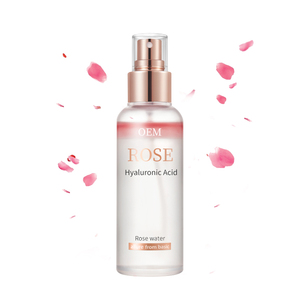
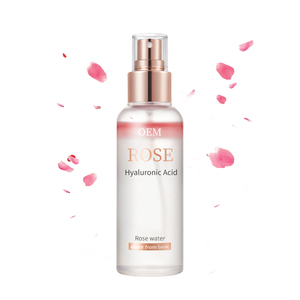
Custom LOGO Bulk Natural Truffle Face Skin Care Rose Water And Oil Moisturizing Facial Toner Serum Mist Hydrating Spray
1. Macro Market Dynamics: The Brightening Cleanser Landscape in Nagoya
The Nagoya metropolitan area, serving as the central economic engine of Japan's Chūbu region, represents one of the most sophisticated consumer landscapes for cosmetic innovation, particularly within the skin-lightening, anti-pigmentation, and radiant complexion sectors. Commonly referred to in local market nomenclature as "Bihaku" (美白), skin brightening in Nagoya has transitioned from traditional whitening creams toward multi-functional, barrier-safe brightening facial cleansers that combine cellular detoxification, mild enzymatic exfoliation, and transdermal hydration.
For global brand owners, B2B importers, and private label cosmetic companies targeting the Nagoya consumer, sourcing from CE Certified and ISO 22716 / GMP compliant OEM manufacturers is no longer an option—it is a baseline operational imperative. Nagoya consumers exhibit distinct preferences shaped by local environmental variables: hot, humid summers driven by coastal air currents from Ise Bay, contrasted against dry, cold alpine winds originating from the Suzuka Mountain range during winter months.
Consequently, a successful brightening facial cleanser tailored for retail in Sakae, Meieki commercial hubs, or online Japanese D2C platforms must resolve a complex formulation paradox: it must deliver powerful tyrosinase-inhibiting actives (such as Tranexamic Acid, Alpha-Arbutin, and Ascorbyl Glucoside) while maintaining an ultra-gentle, non-stripping, amino acid-based surfactant matrix that protects the stratum corneum barrier against urban particulate pollution (PM2.5).
High Purchasing Power
Aichi Prefecture boasts Japan's highest industrial output per capita, yielding strong consumer disposable income and willingness to pay premium prices for clinically validated brightening cleansers.
Dual CE & PMDA Synergy
Conformity with European CE safety benchmarks ensures smooth customs clearance, simplified product dossier compilation, and seamless cross-border re-export capabilities.
J-Beauty Ritual Integration
Integration into Nagoya's double-cleansing daily ritual requires micro-foaming properties, low-rinse residue, and instant sensory radiance post-application.
2. Chemical Formulation Science & Active Ingredient Architecture
As a pioneering contract manufacturing group established in 1991 (Sky Resources Group), with over 34 years of GMP-certified cosmetic synthesis experience, our R&D laboratories approach brightening cleanser formulation through biochemical precision. A common limitation in standard commercial cleansers is the premature wash-off effect—where active botanical extracts and bio-identical peptides are flushed down the drain before achieving epidermis penetration.
To overcome this limitation in the Nagoya market, our factory utilizes proprietary Cationic Lipid Encapsulation and Micellar Delivery Vectors. This technology binds skin-brightening actives to the negatively charged epidermal membrane during the 60-second cleansing process, ensuring sustained bio-availability even after complete rinsing.
Synergistic Active Matrix Breakdown
Our OEM brightening facial cleanser formulations leverage a multi-targeted cascade to interrupt melanogenesis at three distinct biochemical phases:
Active Ingredient
Target Mechanism
Biochemical Pathway
Formulation Advantage
Tranexamic Acid (2.0% - 3.0%)
Plasmin Inhibition
Blocks keratinocyte-melanocyte paracrine signaling induced by UV exposure.
Prevents post-inflammatory hyperpigmentation (PIH) without skin irritation.
Alpha-Arbutin & Licorice (Glabridin)
Tyrosinase Suppression
Reversibly inhibits monophenolase and diphenolase enzyme activity.
Reduces melanosome density; 10x more effective than Beta-Arbutin.
Niacinamide (Vitamin B3 5.0%)
Melanosome Transfer Block
Inhibits melanosome transfer from melanocytes to surrounding keratinocytes by up to 68%.
Visibly evens skin tone while fortifying ceramide synthesis.
Damascus Rose Hydrosol & Truffle Oil
Antioxidant & Lipid Barrier Repair
Scavenges reactive oxygen species (ROS) and supplies essential fatty acids.
Replaces synthetic fragrances; imparts luxurious hydration and velvet tactile feel.
Potassium Cocoyl Glycinate
Amino Acid Cleansing Base
Gentle surfactant with neutral to slightly acidic pH matching human skin (~5.5).
Produces dense, rich micro-foam without disrupting lipid bilayers.
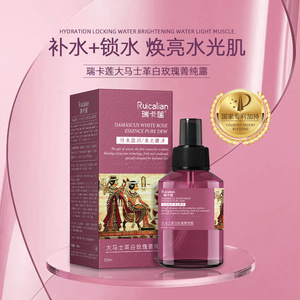
By combining pure Damascus Flower Water (Rose Pure Dew) with low-molecular-weight Hyaluronic Acid (8,000 Daltons), our factory formulates brightening cleansers that simultaneously clarify, hydrate, and repair. This dual action satisfies both Japanese consumer demands for "Mochihada" (soft, plump skin) and European CE safety requirements regarding hypoallergenic purity.
3. Regulatory Benchmarking: CE Certification & Japan PMDA Alignment
Navigating international cosmetic trade requires comprehensive regulatory harmonization. While the CE Marking is historically recognized for European Union health, safety, and environmental standards, in global cosmetic manufacturing, holding CE certification and ISO 22716 (Cosmetic Good Manufacturing Practices) signifies that a factory's technical dossier, toxicological safety assessment, and raw material purity meet the strictest global thresholds.
For Nagoya importers re-exporting to Europe, Southeast Asia, or domestic luxury department stores, our manufacturing facility provides full regulatory support, including Product Information Files (PIF), Safety Data Sheets (SDS), Micro-challenge Testing reports, and Halal Certification (JAKIM/MUI recognized).
Factory Quality Assurance Protocols
Every batch of wholesale brightening facial cleanser produced for the Nagoya market undergoes a 5-stage quality gate system before leaving our cleanroom facilities:
ICP-MS Heavy Metal Screening: Quantitative verification ensuring Lead, Arsenic, Mercury, and Cadmium levels remain far below 0.1 ppm.
Microbiological Validation: Total Viable Count (TVC) testing ensuring zero yeast, mold, or pathogenic bacteria (Staphylococcus aureus, Pseudomonas aeruginosa).
Accelerated Stability Testing: 90-day thermal stress testing at 45°C and 75% relative humidity to guarantee 36-month product shelf life without emulsion phase separation.
Patch & Ocular Safety Studies: Human Repeat Insult Patch Testing (HRIPT) validating non-irritating claims for sensitive skin types.
Packaging Compatibility & Leachable Testing: Ensuring no phthalate or bisphenol migration from bottles into the active formulation.
4. Localized Application Scenarios & Consumer Search Intent in Nagoya
Through search intent mining and localized consumer behavioral studies in the Chūbu region, we have mapped three primary usage scenarios driving wholesale demand for brightening facial cleansers among Nagoya distributors and retailers:
Urban Commuter Detox
High-density transportation corridors around JR Nagoya Station expose skin to airborne exhaust particles and urban haze. Cleansers infused with rose hydrosol and mild amino surfactants effectively lift PM2.5 pollutants without disrupting skin lipophilic moisture barriers.
Post-UV Solar Repair
Summers in Aichi Prefecture feature UV Index ratings frequently exceeding 9. Retail formulations combining Tranexamic Acid and Truffle extracts soothe solar erythema while suppressing immediate melanocyte activation.
Med-Spa Post-Care
Aesthetic clinics in Sakae offering picosecond laser and chemical peels demand ultra-pure, CE-certified brightening washes free from parabens, sulfates, synthetic dyes, or alcohol to support post-procedure skin healing.
As a global manufacturing partner serving clients in over 30 countries, our state-of-the-art facility integrates end-to-end contract manufacturing with exceptional operational flexibility. With a capacity of producing over 1,500 innovative formulations annually, we provide Nagoya beauty brands with an unbeatable competitive advantage.
Why Partner With Our Manufacturing Facilities?
Whether you are an established Japanese cosmetic brand expanding your product catalog or an emerging private label founder looking to enter the Chūbu market, our OEM/ODM infrastructure delivers full operational support:
Bespoke Custom Formulation
Modify viscosity, scent profiles, micro-foaming density, and active ingredient percentages to create a distinct signature cleanser for your target demographic.
Agile manufacturing lines allow low Minimum Order Quantities for initial market validation, scaling seamlessly to multi-ton automated batch outputs.
Full Regulatory Dossier
Complete international documentation including CE compliance certificates, GMP ISO 22716 documentation, Certificate of Analysis (COA), and Halal credentials.
6. Frequently Asked Questions: B2B Sourcing for Nagoya Importers
Below are authoritative answers to the most common technical and commercial queries raised by cosmetic brand owners, procurement officers, and wholesale importers in Nagoya:
Q
What makes CE Certified Brightening Cleansers superior for import into the Nagoya market?
CE certification, combined with ISO 22716 (GMP) compliance, ensures that the cosmetic formulation meets the world's most stringent consumer safety, toxicological, and environmental protection standards. For Nagoya importers, this eliminates regulatory hurdles, guarantees ingredient traceability, and provides high confidence for distribution in top-tier Japanese retail department stores and international markets.
Q
Can your factory customize the surfactant base to suit Japanese sensitive skin preferences?
Yes. We specialize in replacing harsh sulfates (SLS/SLES) with 100% plant-derived amino acid surfactants such as Potassium Cocoyl Glycinate and Sodium Lauroyl Glutamate. This creates a luxurious, dense micro-foam with a skin-friendly pH of 5.5 to 6.0, preferred by Japanese consumers seeking gentle barrier protection.
Q
What active brightening ingredients can be formulated into private label cleansers?
Our R&D lab formulates with a wide range of clinically proven actives including Tranexamic Acid, Alpha-Arbutin, Ascorbyl Glucoside (Vitamin C derivative), Niacinamide, Fermented Rice Filtrate (Koji/Sake extracts), Glycyrrhiza Glabra (Licorice) root, and organic Damascus Rose Hydrosol.
Q
What is the typical lead time for custom OEM manufacturing and delivery to Port of Nagoya?
R&D sampling and bench prototyping require 7–14 business days. Once formulation approval and packaging design are finalized, mass production typically takes 30–45 days. Direct ocean freight shipping from our factory to the Port of Nagoya usually requires an additional 7–12 days.
Q
Do you offer complete packaging design and private label customization services?
Absolutely. We provide one-stop turn-key ODM/OEM services including bottle selection, silk-screen printing, hot stamping, custom outer carton design, tamper-evident sealing, and batch code printing compliant with Japanese labeling laws.
Q
What are the Minimum Order Quantities (MOQs) for wholesale brightening cleansers?
Standard MOQs for custom OEM formulations start at 1,000 to 3,000 units depending on packaging specifications. For existing stock base formulations with private label sticker application, flexible lower MOQs are available for market testing.
Launch Your Private Label Brightening Cleanser Line in Nagoya
Partner with an internationally certified OEM/ODM cosmetic factory backed by 34+ years of formulation expertise, 1,500+ annual R&D breakthroughs, and complete CE compliance.