Stay ahead of beauty innovation — 2025 Haircare Trend Report is now available. Read Now →
✦ Global B2B Manufacturing Whitepaper

Top China OEM Vitamin E Hydrating Cream Manufacturers & Exporters

Strategic B2B Sourcing Guide: Molecular Stability, Bio-Availability, Halal/GMP Compliance & Turnkey OEM/ODM Contract Manufacturing

Featured OEM Skincare & Hydration Lineup
High-performance private label botanical mist sprays, essence toners, and lipid barrier creams ready for custom OEM export.
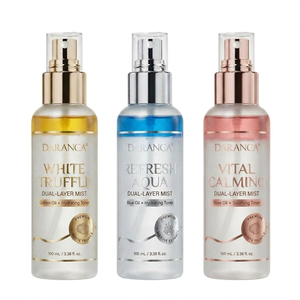
Natural Truffle Vitamin E Rose Water Mist Spray OEM
Custom LOGO Bulk Natural Truffle Face Skin Care Rose Water And Oil Moisturizing Facial Toner Serum Mist Hydrating Spray
Get a Quote
Korean Natural Organic Rose Water Facial Mist OEM
Private Label Korean Natural Organic Pure Rose Water Facial Mist Spray Hydrating Moisturizing Face Toner Soothing Skin Care OEM
Get a Quote
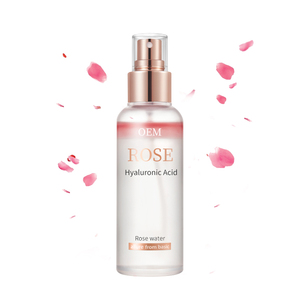
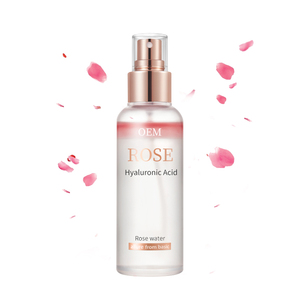
Hyaluronic Acid Rose Water Face Toner OEM
Private Label Skin Care Supplement OEM Supply Moisturizing Repairing Organic Hyaluronic Acid Rose Water Face Toner
Get a Quote
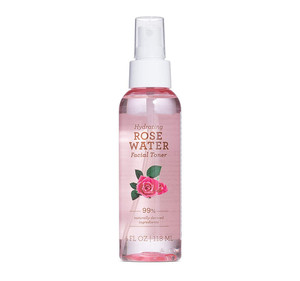
Ultra Hydrating Rose Water Spray OEM
Private Label ultra Hydrating Rose Water Face Toner Spray
Get a Quote
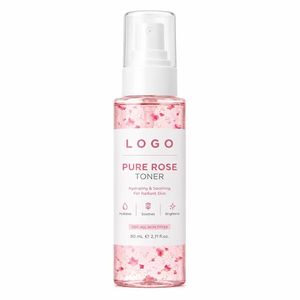
Pure Rose Petal Water Whitening Toner OEM
Private Label Organic 100% Pure Rose Toner Whitening and Firming Best Face Skin Perfect Rose Petal Water Facial Toner Mist Spray
Get a Quote
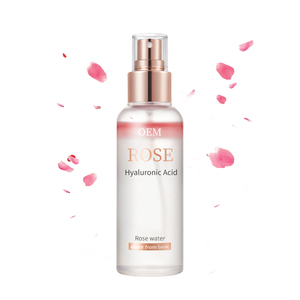
Organic Hyaluronic Acid Hydrating Toner OEM
Private Label Organic Hyaluronic Acid Rose Water Moisturizing Repairing Customizable Face Toner
Get a Quote
Herbal Deep Moisturizing Glycerin Spray OEM
OEM Natural Rose Water Glycerin Herbal Deep Moisturizing Hydration Luxurious Repair Face Toner Spray
Get a Quote
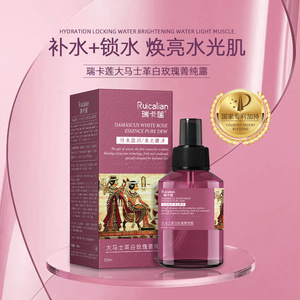
Damascus Flower Water Smoothing Essence OEM
Private Label Rose Pure Dew Damascus Flower Water Facial Toner Deep Moisturizing Smoothing Essence Mist Liquid Adults 125ml
Get a Quote
Global Manufacturing Capabilities & Operational Metrics
Upholding international standards in contract cosmetic manufacturing, lipid stabilization technology, and global export fulfillment.
34+
Years Industry Experience
1,500+
Annual Formulas Developed
30+
Export Destination Countries
100%
Halal & ISO GMP Compliant

1. Strategic Overview: The Evolution of Vitamin E Hydrating Cream Sourcing in China

The global skincare landscape is undergoing a paradigm shift from superficial hydration towards physiological lipid barrier restoration. As brand owners, cosmetic importers, and corporate beauty distributors navigate this evolving market, Vitamin E (Tocopherol and Tocopheryl Acetate) remains an indispensable cornerstone in anti-aging, moisturizing, and barrier-repair formulations. China’s cosmetic OEM/ODM manufacturing ecosystem has evolved far beyond low-cost batch processing; today, premier Chinese manufacturers stand at the forefront of bio-fermentation actives, high-shear micro-emulsification technology, and rigorous global compliance frameworks.

When selecting a contract manufacturing partner for Vitamin E Hydrating Creams, global brand directors must evaluate not merely baseline unit pricing, but the factory's scientific rigor regarding lipid oxidation prevention, active ingredient bioavailability, and trans-epidermal water loss (TEWL) reduction efficacy. This whitepaper delivers an exhaustive analysis of formulation chemistry, manufacturing technology, market trends, regulatory pathways, and procurement strategies to empower purchasing executives and brand founders worldwide.

2. Chemical Formulations & Active Bioavailability in Vitamin E Creams

Vitamin E is a potent lipid-soluble antioxidant consisting of eight natural homologues divided into two chemical families: tocopherols (alpha, beta, gamma, delta) and tocotrienols. In industrial skincare production, selecting the precise isomer and delivery system dictates both product shelf-life and clinical skin penetration.

2.1 Synthetic vs. Natural Vitamin E Isomers

In B2B contract manufacturing, manufacturers typically offer two distinct forms of Vitamin E:

  • d-Alpha-Tocopherol (Natural Form): Derived primarily from non-GMO plant oils such as soybean or sunflower seed oils. Natural d-alpha-tocopherol exhibits up to 2x higher biological potency and cell membrane affinity compared to synthetic variants. However, because it actively quenches free radicals, un-esterified tocopherol is highly vulnerable to thermal degradation and photo-oxidation during vacuum emulsification. Premier OEM facilities employ inert nitrogen flushing during high-temperature phase integration to preserve potency.
  • dl-Alpha-Tocopheryl Acetate (Esterified Synthetic Form): Esterification of tocopherol with acetic acid yields a stabilized compound highly resistant to heat, light, and ambient oxidation. While tocopheryl acetate does not function as an antioxidant *inside the cream jar*, cutaneous enzymes (cellular esterases) hydrolyze the acetate group upon epidermal absorption, converting it into active free tocopherol within the stratum corneum. This makes Tocopheryl Acetate the primary choice for long-shelf-life export formulations.

2.2 Synergistic Active Ingredient Matrices

Modern consumers demand multi-functional skincare formulations. High-performing OEM Vitamin E creams utilize synergistic bio-active networks to maximize dermatological results:

Active Ingredient Synergistic Mechanism with Vitamin E Target Clinical Efficacy Optimal Formulation %
L-Ascorbic Acid / Vitamin C Derivatives Vitamin C regenerates oxidized Vitamin E radicals back into active Tocopherol at the cellular membrane interface. Synergistic UV damage prevention, collagen synthesis, hyperpigmentation reduction. 0.5% - 5.0%
Hyaluronic Acid (Multi-Molecular Weight) Low MW HA penetrates deep dermal layers; high MW HA locks surface moisture while Vitamin E reinforces lipid bilayers. 3D dual-action hydration: epidermal humectant moisture + lipid moisture lock. 0.1% - 2.0%
Niacinamide (Vitamin B3) Boosts natural ceramide synthesis while Vitamin E protects lipids from oxidative lipid peroxidation. Barrier repair, pore minimization, inflammation reduction in sensitive skin. 2.0% - 5.0%
Ferulic Acid Doubles the photo-protective efficacy of Vitamin E + C matrix and stabilizes volatile lipid structures. Advanced anti-aging, environmental pollutant shield, radical quenching. 0.5% - 1.0%
Plant-Derived Ceramides (NP, AP, EOP) Replaces depleted intercellular lipids while Vitamin E guards membrane integrity against reactive oxygen species. Instant barrier restoration, relief for eczema-prone or post-treatment skin. 0.2% - 1.5%

3. Advanced Manufacturing Infrastructure: Vacuum Emulsification & Quality Assurance

Transforming a liquid active blend into a luxurious, stable, non-greasy hydrating cream requires sophisticated manufacturing hardware and precise process controls. Leading OEM/ODM facilities in Asia utilize multi-stage automated production lines designed to ensure batch-to-batch consistency and long-term emulsion stability.

3.1 High-Shear Vacuum Emulsification Systems

The core of cream manufacturing lies in the vacuum emulsification homogenizer. Oil-in-water (O/W) emulsions—the standard structure for fast-absorbing Vitamin E hydrating creams—require precise droplet size reduction (typically between 0.5 to 3.0 microns) to prevent phase separation (creaming or coalescence) over a 36-month shelf life.

  • Dual-Phase Heating: Water and oil phase kettles heat raw materials to 75°C - 80°C under continuous agitation to dissolve solid lipids (e.g., cetyl alcohol, shea butter, glyceryl stearate).
  • Vacuum Degassing (-0.09 MPa): Emulsification under deep vacuum eliminates micro-air bubbles, preventing aerobic microbial contamination and chemical oxidation of fragile oils.
  • High-Shear Homogenization (up to 3,600 RPM): Rotor-stator homogenizers tear lipid droplets into sub-micron particles, producing a velvety texture without sticky residues.

3.2 Quality Assurance & Stability Protocol Standard Operating Procedures (SOP)

Top-tier exporters subject every product batch to rigorous laboratory validation before releasing export documentation (COA):

  • Accelerated Thermal Stability Testing: Creams are placed in environmental chambers at 45°C and 75% RH for 90 days, simulating 3 years of shelf life under tropical conditions.
  • Freeze-Thaw Cycling: Products undergo 5 continuous cycles between -20°C and 40°C to verify emulsion resilience against extreme shipping temperatures.
  • Centrifuge Phase Separation Test: Samples are spun at 4,000 RPM for 30 minutes at 40°C to confirm zero phase separation.
  • Preservative Efficacy Challenge Testing (USP <51> / ISO 11930): Inoculation with *Staphylococcus aureus*, *Escherichia coli*, *Pseudomonas aeruginosa*, *Candida albicans*, and *Aspergillus brasiliense* to ensure micro-stability over product lifetime.

4. Corporate Advantages: 34 Years of OEM/ODM Manufacturing Mastery

Partnering with an experienced contract manufacturer eliminates product development friction, regulatory hurdles, and supply chain vulnerabilities. Operating from modern manufacturing centers compliant with ISO 22716, US FDA GMPC, and International Halal Standards, our production infrastructure delivers world-class solutions tailored to global beauty brands.

🔬

Custom Formulation & R&D Lab

Over 1,500 turnkey formulations annually. Dedicated chemical engineers customize texture, viscosity, botanical aromas, and target active concentrations tailored to your market demographic.

🛡️

Global Certification Standards

Fully compliant with ISO 22716, GMPC, Halal (JAKIM/MUI recognized), and cruelty-free clean beauty guidelines. Full support for EU CPNP registration, US MoCRA filings, and ASEAN notifications.

🌱

Clean & Sustainable Sourcing

Ethical raw material supply chains featuring non-GMO plant extracts, RSPO-certified palm oil derivatives, vegan-grade tocopherols, and bio-degradable emulsification systems.

📦

Turnkey Packaging Engineering

Complete private label customization: airless pump bottles, double-wall acrylic jars, eco-friendly PCR (Post-Consumer Recycled) plastics, glass containers, and custom outer packaging.

Scalable High-Speed Production

Automated filling lines capable of producing tens of thousands of units daily with high volumetric accuracy, automatic capping, batch coding, and shrink wrapping.

🌐

End-to-End Global Logistics

Decades of export experience serving clients across 30+ countries. Seamless handling of COA, MSDS, Certificate of Free Sale (CFS), customs declaration, and international ocean/air freight logistics.

5. Global Procurement Trends & Future Outlook (2025–2030)

B2B cosmetic buyers must align their product roadmaps with consumer demand and regulatory developments over the next decade. Industry intelligence points toward three primary shifts in the Vitamin E hydrating cream segment:

5.1 The Rise of Clean Beauty & "Microbiome-Friendly" Creams

Consumers are demanding transparent ingredient decks free from parabens, phthalates, mineral oil, synthetic dyes, and harsh sulfated emulsifiers. OEM development is focusing heavily on biomimetic lipid bases—incorporating squalane, jojoba oil, and phytosterols—that mimic the skin's natural sebum, combined with gentle preservative boosters like caprylyl glycol and ethylhexylglycerin.

5.2 Sustainable & Refillable Packaging Ecosystems

Environmental regulations in the EU and North America are pushing brands toward sustainable packaging. Contract manufacturers now provide modular refillable jar systems, PCR plastic tubes (up to 100% recycled resin), and mono-material recyclable pumps. Adopting eco-conscious packaging reduces brand carbon footprint while increasing customer loyalty among Gen-Z and millennial cohorts.

5.3 Strict Regulatory Governance (US MoCRA & EU Cosmetics Regulation)

With the enactment of the US Modernization of Cosmetics Regulation Act (MoCRA), export-oriented factories must maintain mandatory facility registration, product listing, adverse event reporting, and rigorous safety substantiation. Choosing an OEM partner with in-house regulatory compliance teams guarantees that your products enter international retail channels without risk of port detentions or regulatory fines.

Procurement FAQ: Sourcing Vitamin E Cream OEM/ODM
Answers to common operational, regulatory, and financial questions from global beauty importers and brand owners.
Q1: What is the Minimum Order Quantity (MOQ) for custom OEM Vitamin E Cream manufacturing?
Our standard Minimum Order Quantity (MOQ) for custom formulated Vitamin E hydrating cream generally starts at 3,000 to 5,000 units for standard packaging (tubes or stock jars). For stock bulk formulations requiring only custom private label printing, lower MOQs starting at 1,000 units can be accommodated. Custom tooling or specialized airless containers may require 10,000 units depending on component supplier specifications.
Q2: What is the lead time from formulation development to final export shipment?
The typical timeline spans 4 to 8 weeks. Sample formulation bench-testing and adjustments take approximately 7-10 business days. Once sample approval and packaging artwork are finalized, mass production and filling require 25-30 days. Quality control release testing, micro-biology validation, and export documentation preparation take an additional 5-7 days prior to container loading.
Q3: Can your laboratory replicate or benchmark an existing high-end brand cream?
Yes, our senior R&D chemists specialize in reverse-engineering and bench-matching existing commercial formulations. By analyzing viscosity, specific gravity, active concentrations, sensory feel, and absorption rates, we can formulate an equivalent or upgraded custom cream optimized for your brand's price point and target demographic.
Q4: Are your manufacturing facilities Halal and GMP certified for export to Islamic markets?
Absolutely. Our state-of-the-art production plants hold full ISO 22716, US FDA GMPC, and Halal certifications (recognized by JAKIM, MUI, and international Islamic bodies). All raw materials, processing aids, and cleaning protocols are audited to guarantee 100% alcohol-free, porcine-free, and cross-contamination-free production lines suitable for global distribution.
Q5: What documentation is provided for international customs clearance and product registration?
We provide a complete regulatory dossier for every order, including: Certificate of Analysis (COA), Material Safety Data Sheet (MSDS) compliant with GHS standards, Heavy Metal & Microbiological Test Reports, Stability Test Summary, Certificate of Free Sale (CFS), BSE/TSE-Free Statements, and full Ingredient Breakdown lists required for EU CPNP, US MoCRA, or ASEAN Cosmetic Directive filings.
Q6: How do you prevent oxidation and color fading in Vitamin E formulations during storage?
We employ a multi-layered anti-oxidation protocol: 1) Utilizing esterified dl-Alpha-Tocopheryl Acetate or nitrogen-shielded natural tocopherols; 2) Incorporating secondary chelating agents (e.g., Sodium Phytate or Disodium EDTA) to neutralize trace metal ions that trigger lipid oxidation; 3) Recommending opaque or UV-shielded airless packaging; 4) Utilizing automated vacuum emulsification to remove dissolved oxygen during manufacturing.

Launch Your Premium Private Label Skincare Line Today

Partner with China's leading Halal & GMP-certified OEM contract manufacturer. Request custom formulation samples, factory audit reports, or immediate wholesale quotations.

Get a Quote