Industry news, custom formulation guides, and regulatory updates from 34+ years of expertise.
Choosing a skincare manufacturer is not simply a search for the lowest unit price. It is a decision about formulation quality, product safety, communication, and long-term brand credibility. In Custom Skincare OEM Manufacturing, a promising sample may look elegant in a glass jar, yet still lack reliable stability data, transparent ingredient sourcing, or clear production controls. That gap matters.
As cosmetic dermatologist Dr. Zoe Diana Draelos has noted, “The skin is an organ, and it needs to be treated as such.” Her statement gives this topic a practical foundation. Effective skincare should be developed around skin needs, appropriate ingredients, and responsible testing. It should not rely only on attractive packaging or impressive marketing language.
This guide reviews seven Custom Skincare OEM Manufacturing suppliers through a buyer’s lens. It considers formulation support, manufacturing standards, minimum order quantities, testing procedures, packaging options, documentation, and communication quality. A strong supplier should explain its process clearly, from the first laboratory brief to the final production batch. GMP-aligned facilities, stability testing, microbial controls, and traceable raw materials deserve close attention.
Details often reveal more than brochures. Ask who owns the formula. Request test records. Check how changes are approved.
No supplier is perfect, and no ranking can replace proper due diligence. A manufacturer that suits a growing indie brand may not fit a clinical skincare company. Some weaknesses may also appear only after repeated orders. That is uncomfortable, but realistic. The most reliable choice balances technical expertise, production consistency, regulatory awareness, and honest collaboration. This comparison aims to make that evaluation more focused, practical, and evidence-based.
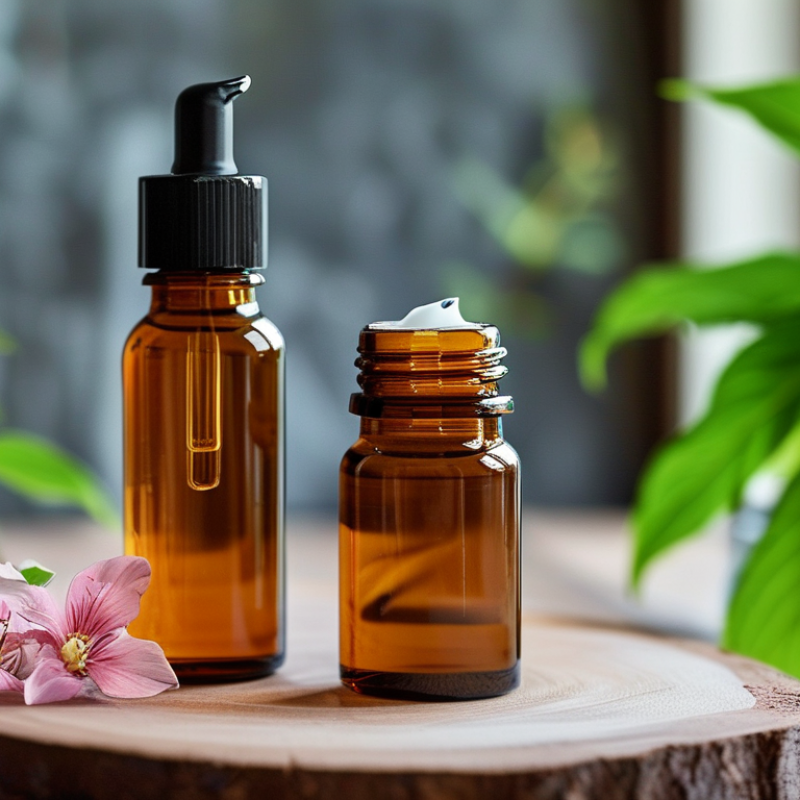
Custom skincare OEM manufacturing turns a product idea into a tested, packaged, and repeatable formula. The process usually begins with a clear brief. It defines skin concerns, texture, scent, ingredients, packaging, target users, and expected cost.
A qualified supplier then develops laboratory samples. Formulators may adjust viscosity, absorption, color, and fragrance several times. Small details matter. A cream that feels elegant at room temperature may separate under heat. Stability testing, microbial testing, and compatibility checks help identify these risks. The supplier should provide traceable batch records and clear quality documents. Manufacturing areas should also follow recognized hygiene and quality systems.
Production involves more than filling containers. Raw materials need identity checks and controlled storage. Operators monitor mixing speed, temperature, filling weight, and cleaning records. Finished products require inspection before release. Packaging must protect the formula and carry accurate usage and safety information for the intended market. Requirements can differ between countries, so regulatory review should happen early.
The process is rarely perfect. A promising first sample may fail a stability check. That is frustrating, but useful. It exposes weak assumptions before larger production begins. Buyers should ask about minimum order quantities, lead times, testing scope, change control, and complaint handling. Regular communication matters because vague instructions can create expensive mistakes. A reliable OEM partner explains limitations instead of promising everything.
Before contacting a skincare OEM supplier, define the product as a working brief, not a hopeful idea. State the product type, target skin concern, texture, finish, scent, color, and intended use. A daily gel may need fast absorption, while a night cream may require richer slip. Describe the package, fill volume, and expected retail environment. Keep claims realistic and supportable. “Brightens skin” needs clearer boundaries than “removes pigmentation,” which can create regulatory risk. Good requirements protect both quality and credibility.
Ask for ingredient preferences, restrictions, and acceptable alternatives. Include allergen concerns, vegan or fragrance-free needs, and preservation expectations. Do not choose ingredients only because they sound fashionable. Request the formula’s testing plan, stability data, microbial results, compatibility checks, and production standards. An experienced supplier should explain sample revisions, minimum order quantities, lead times, and batch traceability. Ask who owns the formula and how changes are approved. Details matter.
I have learned that a beautiful laboratory sample can fail after shipping or three months on a shelf. Define storage temperature, transport conditions, and pass-fail criteria before approval. Test the product on its intended packaging, not only in a beaker. Leave room for revision. My earlier briefs sometimes described a “luxurious” feel without measurable meaning, which slowed development. Use sensory words, then translate them into observable checks. “Non-sticky after sixty seconds” is more useful than “lightweight.” Document every decision and retain approved samples for future comparison.
pH is an important product requirement because it affects skin compatibility, preservative performance, and formula stability. The ranges below are commonly used formulation-planning benchmarks for different skincare categories, not universal regulatory limits. Final targets should be confirmed through stability, compatibility, safety, and preservative-efficacy testing with the selected OEM manufacturer.
Selecting the seven best custom skincare OEM suppliers requires more than comparing quoted prices. Grand View Research valued the global skincare market at approximately $155.7 billion in 2023. It also projects continued growth through 2030. This expansion increases pressure on manufacturers to prove quality, consistency, and development capability.
The first supplier profile should emphasize GMP systems, batch traceability, and microbiological testing.
The second should support low minimum order quantities for early market testing.
A third should offer formulation work backed by stability studies and controlled challenge testing.
The fourth may suit botanical formulas, but ingredient sourcing must remain transparent.
The fifth should combine packaging development with compatibility testing.
The sixth should provide responsive pilot production and clear lead times.
The seventh should demonstrate export documentation, safety files, and regulatory knowledge for target markets.
During supplier reviews, request a sample batch, specification sheet, stability protocol, and recent audit evidence. ISO 22716 guidance is useful for evaluating cosmetic manufacturing practices. The Personal Care Products Council also stresses safety assessment and proper ingredient disclosure. Do not accept polished samples as final proof. A formula can feel elegant yet separate after several weeks. I have seen timelines fail when artwork approval was treated as a minor detail. That mistake is easy to repeat. Compare payment terms, ownership of formulas, change-control procedures, and recall support. Cost matters, but an unusually low quote may conceal weaker testing or limited technical service.
Choosing a skincare OEM supplier requires more than comparing prices. Examine formulation support, ingredient sourcing, testing, production scale, packaging, and documentation. A capable partner should explain each stage clearly, from laboratory samples to commercial batches. Ask whether chemists can adjust texture, fragrance, absorption, and skin feel without weakening product performance.
Manufacturing quality deserves close attention. Review batch records, sanitation procedures, stability testing, microbiological testing, and fill-weight controls. A useful supplier may provide pilot production before full manufacturing. Request evidence of quality systems, trained personnel, and facility audits.
Check minimum order quantities, lead times, storage conditions, and production capacity during peak seasons. A low MOQ sounds attractive. It may still increase unit costs or limit packaging choices.
Compare regulatory and commercial support carefully. Suppliers should review ingredient restrictions, product claims, labels, safety files, and market-specific requirements. Formula ownership and confidentiality terms also need written clarification.
Ask how complaints, recalls, damaged goods, and late deliveries are handled. Samples can look impressive, yet performance may change after scale-up. That risk is easy to underestimate.
Use a documented approval process with measurable targets for viscosity, color, scent, appearance, and stability. A strong supplier is not always the cheapest. Reliability, transparent communication, and repeatable quality often protect the product better.
Choosing an OEM skincare partner requires more than comparing prices. Review its manufacturing experience, product categories, and quality systems. Ask how long similar formulas remain stable after filling. Request batch records, ingredient specifications, and testing procedures. A reliable supplier should explain these details clearly, not hide behind polished sales language.
Order samples before discussing large production runs. Check texture, scent, absorption, color, and packaging compatibility. Test the product after temperature changes and several weeks of storage. Ask about minimum order quantities, production schedules, revision limits, and defect handling. Confirm whether the facility can support your target market’s cosmetic requirements. Written answers matter.
Communication reveals operational maturity. Does the team respond with evidence, or only promises? Can its chemists explain preservative choices in practical terms? Can production staff identify risks before filling begins? Visit the facility when possible, or request a live virtual walkthrough. Look for clean material flow, labeled storage, calibrated equipment, and documented inspections. Small details matter.
The first sample is rarely perfect. Your brief may also be incomplete. A strong OEM partner will question unclear claims, suggest safer wording, and explain realistic performance limits. Avoid choosing a supplier only because it offers the lowest quote. Cheap development can create expensive delays, reformulation, or wasted packaging. Compare quality, communication, flexibility, and traceability together. That broader view usually supports a more dependable brand launch.
The comparison below uses anonymous supplier profiles and industry benchmark ranges rather than company or brand data. Minimum order quantities, lead times, certifications, testing requirements, and pricing should be confirmed directly with each shortlisted manufacturer.
| Supplier Profile | Best Fit | Typical Product Scope | Common Quality & Compliance Evidence | Indicative MOQ | Typical Development Timeline | Key Strengths | Key Due-Diligence Questions | Overall Fit |
|---|---|---|---|---|---|---|---|---|
| 1. Regulatory-First Full-Service Manufacturer | Brands entering regulated markets or launching clinically positioned products | Serums, creams, cleansers, sunscreens, body care, and treatment-oriented skincare | GMP system Stability testing Microbiological testing Batch records | Usually 5,000–20,000 units per SKU | Approximately 4–9 months from brief to commercial production | Strong documentation, controlled formulation development, regulatory support, and repeatable scale-up | Can the supplier provide complete product specifications, certificate-of-analysis records, and stability data for the intended market? | ★★★★★ |
| 2. Flexible Small-Batch Manufacturer | Start-ups, niche brands, and brands testing market demand | Facial oils, moisturizers, masks, cleansers, balms, and simple emulsion products | GMP-aligned processes Raw-material traceability Basic safety testing | Usually 500–3,000 units per SKU | Approximately 2–5 months | Lower inventory risk, faster pilot runs, more accessible product customization, and easier formula iteration | Does the low MOQ apply to the formula, packaging, filling, labeling, and finished goods, or only to one production stage? | ★★★★☆ |
| 3. High-Volume Scale Manufacturer | Established brands requiring competitive unit economics and reliable replenishment | High-volume cleansers, lotions, creams, toners, shampoos, and body-care products | Formal QA department In-process controls Supplier audits Batch traceability | Usually 20,000–100,000+ units per SKU | Approximately 3–8 months, depending on tooling and packaging | Lower potential unit cost, dedicated production lines, purchasing leverage, and capacity for international orders | What production capacity is reserved for new clients, and how are forecast changes or urgent replenishment requests handled? | ★★★★☆ |
| 4. Natural and Organic-Focused Manufacturer | Brands built around botanical, clean-beauty, or certified-organic positioning | Plant-based creams, facial oils, botanical serums, exfoliants, and natural body care | Ingredient traceability Allergen controls Organic certification options Preservation testing | Usually 2,000–10,000 units per SKU | Approximately 3–7 months | Specialized botanical sourcing, natural preservation knowledge, and support for ingredient-origin claims | Are organic or natural claims supported by current certificates, supplier declarations, and finished-product compliance documentation? | ★★★★☆ |
| 5. Clinical and Sensitive-Skin Specialist | Dermatology-oriented, sensitive-skin, barrier-care, or efficacy-led brands | Barrier creams, fragrance-free moisturizers, acne-care products, soothing serums, and post-procedure care | Challenge testing Dermatological testing Fragrance control Efficacy support | Usually 5,000–25,000 units per SKU | Approximately 5–10 months | Advanced testing coordination, controlled ingredient selection, and stronger support for performance claims | Which claims can be supported by finished-product testing, and who owns the test reports and underlying technical data? | ★★★★★ |
| 6. Packaging and Turnkey Development Partner | Brands seeking formula, packaging, filling, labeling, and logistics from one supplier | Complete skincare collections, gift sets, travel sizes, airless-pack products, and premium packaging projects | Packaging compatibility tests Artwork approval process Component inspection Finished-goods QA | Usually 3,000–15,000 units per SKU | Approximately 4–8 months | Single-point project management, coordinated packaging procurement, and reduced handoffs between vendors | Who is responsible for packaging defects, artwork errors, component shortages, and delays caused by third-party suppliers? | ★★★★☆ |
| 7. Innovation and Custom-Formula Specialist | Brands requiring distinctive textures, delivery systems, or proprietary formulations | Waterless products, gel creams, encapsulated actives, microbiome-oriented formulas, and advanced serums | R&D laboratory Pilot-batch testing Compatibility studies Intellectual-property controls | Usually 3,000–15,000 units per SKU | Approximately 6–12 months | More extensive formulation experimentation, differentiated product concepts, and technical support during scale-up | Who owns the formula, development records, test results, and any improvements created during the collaboration? | ★★★★★ |
It turns a product idea into a tested, packaged, and repeatable formula. Formulators adjust texture, absorption, color, scent, and viscosity. Small details matter.
Define the product type, skin concern, texture, finish, scent, color, packaging, and fill volume. Include target users and expected cost. “Non-sticky after sixty seconds” is clearer than “lightweight.”
Stability, microbial, and packaging compatibility tests are important. Test samples under heat, during shipping, and after shelf storage. A cream may separate unexpectedly.
The formula may react with its container or fail during filling. Test the final product inside its intended packaging. A beaker result is not enough.
Request samples, batch records, ingredient specifications, and testing procedures. Review storage areas, equipment, cleaning records, and inspection practices. Evidence matters more than polished promises.
Raw materials receive identity checks and controlled storage. Operators monitor mixing speed, temperature, filling weight, and cleaning records. Finished products require inspection before release.
Ask about minimum order quantities, lead times, testing scope, revision limits, and complaint handling. Confirm formula ownership and change approval procedures. Written answers reduce confusion.
It may separate under heat or change after several months. That failure exposes weak assumptions before mass production. Frustrating, but useful.
Keep claims realistic, specific, and supportable for the intended market. Describe measurable performance instead of vague luxury language. I have used vague briefs before, and development slowed.
Custom Skincare OEM Manufacturing enables skincare brands to develop products tailored to their target customers, from concept and formulation to packaging and large-scale production. The process typically involves selecting ingredients, defining product benefits, deciding on textures and formats, meeting safety and quality expectations, and creating packaging that reflects the brand’s identity. Before contacting suppliers, brands should clearly outline their product goals, target market, preferred ingredients, expected order volume, budget, timeline, and regulatory requirements.
When comparing seven potential OEM suppliers, it is important to evaluate their formulation expertise, testing procedures, manufacturing capacity, minimum order quantities, customization options, packaging support, quality control, communication, and delivery reliability. The right partner should offer transparent pricing, consistent standards, flexible development services, and practical support throughout the product lifecycle. A careful comparison of capabilities and long-term cooperation potential can help brands choose an OEM manufacturer that supports sustainable growth and delivers safe, reliable, and market-ready skincare products.